A patio can look worn out long before the rest of the home does. Sun-faded concrete, dark moisture marks, small cracks, salt damage, and stubborn barbecue grease can make an outdoor space feel neglected, even when the furniture and landscaping are in great shape. The right patio concrete coating options can change that, but only when the coating system suits the slab, the weather, and how you actually use the space.
A decorative finish alone is not enough. Your patio coating needs to stand up to ultraviolet exposure, rain, foot traffic, furniture movement, temperature swings, and the moisture that moves through concrete. That is why professional evaluation and surface preparation matter as much as the finish you choose.
What a Patio Coating Must Handle
Patios face a different set of pressures than interior concrete. Water sits on the surface after a storm. Ice can form near shaded areas and doorways. In colder climates, freeze-thaw cycles can widen existing cracks and cause weak concrete to break down. In hotter, sunnier locations, ultraviolet exposure can fade or discolor finishes that were not designed for exterior use.
The patio may also see sunscreen, food spills, fertilizer, planters, patio furniture, pet traffic, and frequent cleaning. A suitable coating should create a surface that is easier to clean while maintaining dependable adhesion to the concrete below.
Before selecting a finish, look closely at the slab. Hairline cracking, pitting, spalling, previous paint, and moisture-related damage are not just cosmetic concerns. They can affect how well a new coating bonds and how long it lasts. Covering damaged concrete without repairing and preparing it first often leads to a disappointing result.
Patio Concrete Coating Options Compared
There is no single best finish for every patio. The right choice depends on the condition of the concrete, the amount of direct sun, drainage, texture needs, and your preferred look.
Penetrating sealers
Penetrating sealers soak into the concrete instead of forming a decorative film on top. They can reduce water absorption and help limit damage from moisture and de-icing salts. They are a practical option when you want the patio to retain its natural concrete appearance.
Their limitation is visual transformation. A penetrating sealer will not hide stains, patching, pitting, or color variation. It also will not provide the finished, polished appearance homeowners often want when upgrading an outdoor entertaining area.
Acrylic concrete coatings
Acrylic products are commonly used for color and basic surface refreshment. They can be applied relatively quickly and may work for patios with light use and stable concrete.
However, outdoor durability depends heavily on product quality, surface preparation, and maintenance. Thin coatings can wear in traffic paths, and poor adhesion can allow peeling when moisture pressure builds below the surface. Acrylic may be appropriate for a short-term cosmetic update, but it is not always the right answer for a patio that needs long-term protection.
Concrete stains and decorative finishes
Stains can add color variation while leaving a more natural, concrete-forward appearance. They can work well on slabs that are in good visual condition and have been properly cleaned. Decorative finishes may also complement certain architectural styles where a uniform flake pattern is not the goal.
Stains do not repair damaged concrete, and they do not create the same protective build as a multi-layer coating system. If your patio has significant pitting, old coatings, visible cracks, or recurring stains, a stain may emphasize imperfections rather than disguise them.
Full-flake broadcast coating systems
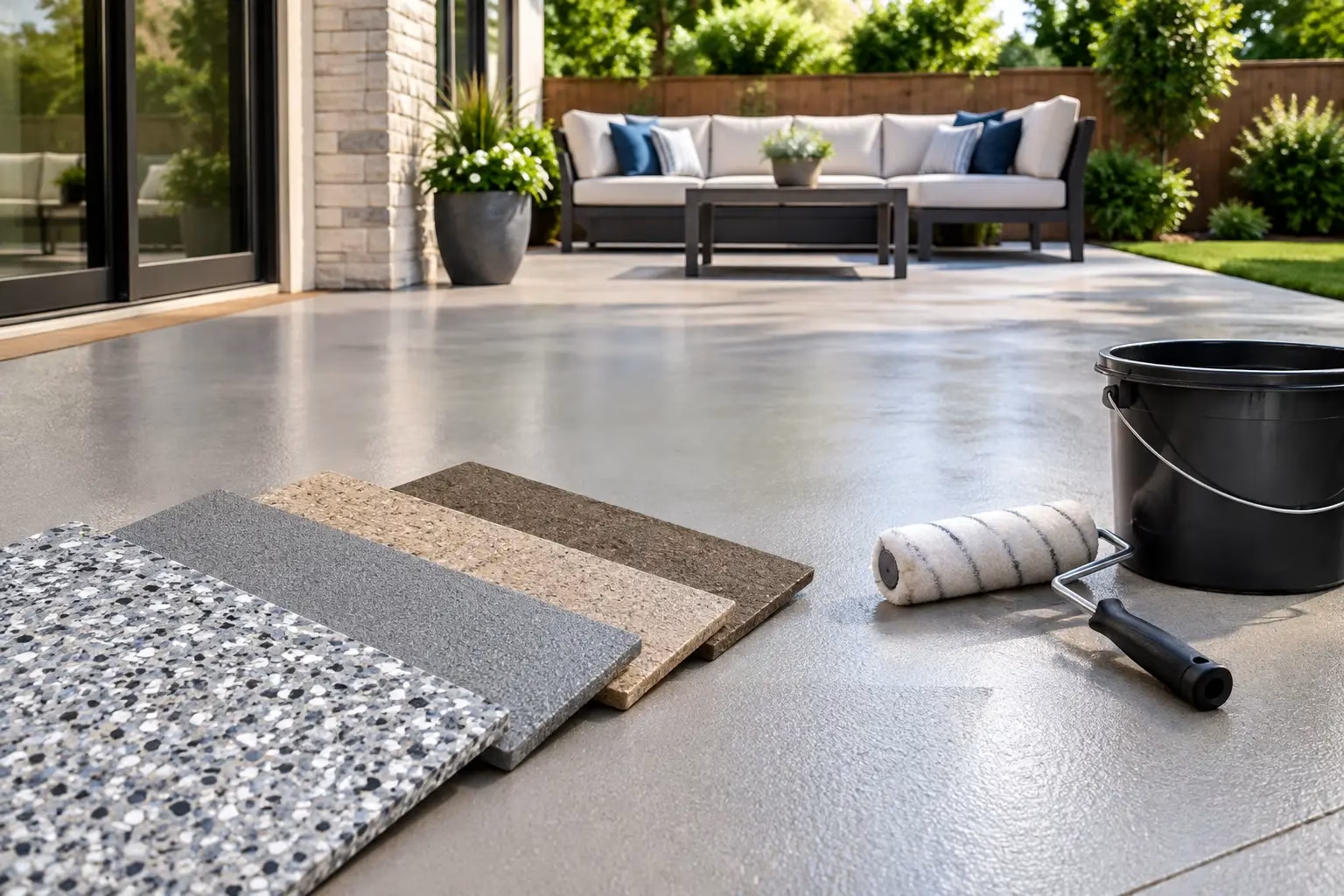
For homeowners looking for a durable, finished surface with visual depth, a full-flake broadcast system is often the strongest option. Decorative vinyl flakes are broadcast across the coated surface, creating a consistent finish that helps disguise minor visual variation in the slab. The system is then sealed with protective topcoats for a clean, easy-to-maintain result.
Flake blends come in a wide range of colors, from lighter tones that brighten a shaded patio to deeper blends that coordinate with stone, siding, or outdoor furniture. Because texture matters outdoors, the final system can be tailored to provide a more secure walking surface without making routine cleaning difficult.
A full-flake finish is particularly useful when a patio has cosmetic flaws that cannot be solved with cleaning alone. It provides a complete surface transformation rather than simply darkening or sealing what is already there.
Advanced nanospartic coating systems
For patio applications that demand faster installation and dependable exterior performance, advanced nanospartic systems deserve close consideration. Our FloorX2 Fusion+Nano® system is engineered as a multi-layer coating solution with strong adhesion, ultraviolet stability, moisture resistance, and a rapid cure schedule.
This matters when you do not want an outdoor project to disrupt your home for days. With professional preparation and the right weather conditions, many projects can be installed in one day. The result is a protective finish designed for real residential use, not a temporary facelift that becomes another maintenance project.
The Surface Preparation Behind a Long-Lasting Patio
A patio coating is only as reliable as its bond to the concrete. That bond starts with preparation, not with the topcoat.
Professional installation typically begins with a full assessment of the slab. We identify cracks, spalling, weak areas, old paint, contamination, and drainage concerns. The surface is mechanically prepared to create the right profile for adhesion, then cracks and damaged sections are repaired as needed before the coating layers are installed.
This process is especially important on patios with years of exposure. Grease from a grill, leaf stains, soil, and previous sealers can interfere with adhesion if they are not removed correctly. Moisture also needs to be considered. Concrete is porous, and water vapor can move upward through the slab. A professional system accounts for those conditions instead of treating them as an afterthought.
Skipping preparation may save money at the start, but it can cost more when the finish peels, bubbles, or fails around repaired areas. A coating should protect your patio, not trap you in a cycle of patching and repainting.
How to Choose the Right Patio Finish
Start with how the patio is used. A quiet covered sitting area has different requirements than a poolside patio, outdoor kitchen, front entry, or high-traffic backyard gathering space. If the surface regularly gets wet, texture and drainage should be central to the decision. If it receives full afternoon sun, color stability and ultraviolet resistance become more important.
Next, consider the condition of the slab. A clean, solid patio with minor discoloration may only need protective sealing. A slab with cracks, pitting, spalling, and widespread staining usually benefits from repair and a full coating system that creates a more consistent appearance.
Finally, think beyond the initial color sample. Lighter flake blends can make an enclosed or shaded patio feel more open, but they may show dirt more quickly. Darker finishes can anchor the space visually, though they can absorb more heat in direct sun. A good consultation should help you balance appearance, comfort, traction, and maintenance.
Maintenance That Keeps the Finish Looking Good
A professionally installed patio coating should simplify maintenance, not add to it. Sweep away sand, leaves, and debris regularly so they do not act like abrasives under furniture or foot traffic. Rinse spills promptly, especially food, grease, fertilizer, and plant-pot runoff.
For deeper cleaning, use a mild cleaner and a soft-bristle brush or mop. Avoid harsh acids, aggressive solvents, and metal scraping tools that can damage the protective surface. Use furniture pads where practical, and lift heavy furniture instead of dragging it across the finish.
If you notice new cracking in the surrounding concrete, standing water that was not there before, or damage from a heavy impact, have it assessed early. Timely repairs can protect both the appearance and performance of the system.
A patio should feel like an extension of your home, not a stained concrete area you avoid showing guests. Try our Floor Visualizer to explore finish ideas, or request a free estimate to find the coating system that fits your patio, your climate, and the condition of your concrete.