A basement floor can look dry in July and still be carrying a moisture problem underneath. That is why the top basement moisture solutions start with identifying where the water is coming from, not simply covering the concrete. If you have noticed a musty smell, white mineral deposits, damp carpet edges, peeling paint, or dark spots on the slab, the right fix depends on whether the issue is surface water, groundwater, plumbing, or moisture vapor moving through the concrete itself.
For homeowners planning a finished basement, home gym, workshop, storage room, or clean utility area, moisture control protects more than appearance. It helps preserve the structure, prevents coatings and finishes from failing prematurely, and makes the space more comfortable to use year-round.
Top Basement Moisture Solutions Begin Outside
The most effective basement repair often begins above grade. Rainwater should move away from the foundation rather than collect beside it, where it can create hydrostatic pressure against basement walls and floors. A coating installed over an active water issue may look good at first, but it cannot correct poor drainage outside the home.
Start by checking gutters, downspouts, and grading. Gutters should be clear, and downspouts should discharge well away from the foundation. Soil should slope away from the house so rain and snowmelt do not settle along the perimeter. In areas with heavy rain, clay soil, or repeated freeze-thaw cycles, this simple inspection can reveal why a basement becomes damp after every storm.
If grading and downspouts are already working properly but water still enters the basement, the drainage system may need more attention. Depending on the home and the source of the water, that may mean repairing exterior foundation waterproofing, installing or servicing weeping tile, or improving the sump pump system. These are larger projects, but they address water before it reaches the concrete.
Keep the Sump Pump Ready
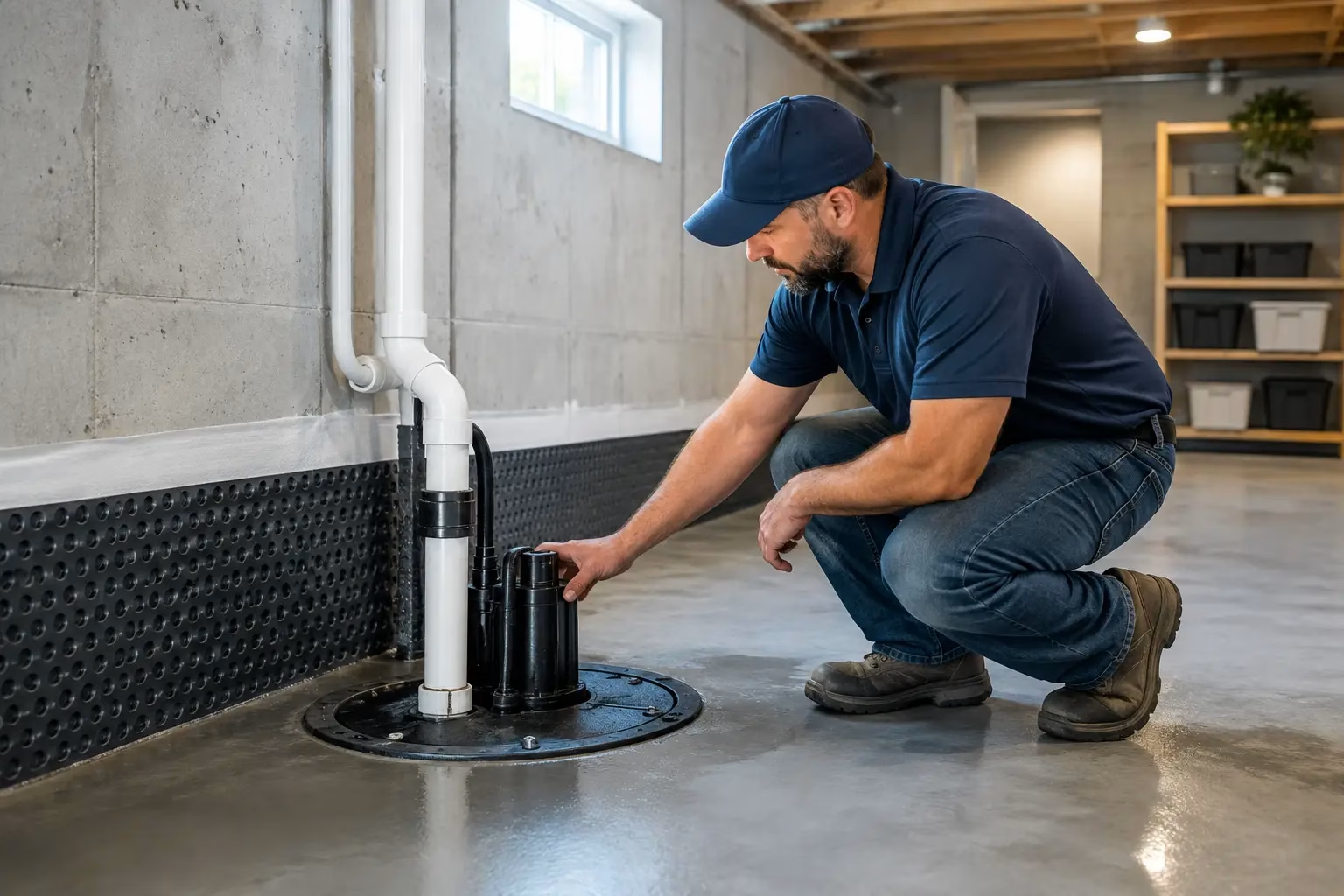
A sump pump is only useful when it operates at the moment it is needed. Test it before wet seasons by pouring water into the pit and confirming that the pump activates, drains properly, and sends water away from the foundation. A battery backup is worth considering where power outages coincide with severe weather.
The discharge line also matters. If it sends water too close to the home, the system can keep recycling the same water back toward the foundation. A qualified drainage professional can assess the full path, not just the pump itself.
Repair Cracks Before They Become Water Paths
Concrete naturally develops cracks as a home settles and the slab responds to temperature changes. Some are cosmetic. Others provide a direct route for water or moisture vapor. The key is to determine whether the crack is stable, actively changing, or allowing water into the basement.
Hairline shrinkage cracks may only need professional preparation and repair before a new floor finish is installed. Wider cracks, cracks with uneven edges, or cracks that continue to reopen can point to movement that deserves a closer look. If water is visibly entering through a wall or floor crack, sealing the interior side alone may reduce the symptom without resolving the pressure forcing water through it.
At Garage Floors 4 Less, floor preparation is not an afterthought. Before applying a protective coating system, we repair cracks, pitting, spalling, and other damaged areas so the finished surface has a sound foundation. Proper mechanical preparation is equally important because coatings need clean, properly profiled concrete to bond as designed.
Control Humidity and Condensation Indoors
Not every damp basement has a foundation leak. Sometimes the moisture is in the air. Warm, humid air that meets cool concrete walls, pipes, or floors can create condensation, especially during summer months. It may appear as damp patches, sweating pipes, or a persistent musty odor without obvious rain-related leaks.
A dehumidifier can make a meaningful difference in a basement with elevated humidity. Choose a unit sized for the space, keep doors and windows closed while it runs, and route collected water to a drain when possible. In a finished basement, consistent ventilation and properly insulated cold-water pipes can also reduce condensation.
Watch for common moisture contributors inside the home. Dryers that are not vented outdoors, unsealed crawlspace openings, frequent wet laundry, and poorly insulated rim joists can all raise basement humidity. Managing indoor air does not replace exterior drainage work, but it can solve the problem when condensation is the real culprit.
Understand Moisture Vapor in Concrete
Concrete is porous. Even when there is no standing water or visible leak, moisture vapor can migrate upward through a slab. This is particularly relevant when you plan to install a floor coating or create a more finished basement environment.
Vapor transmission is different from a flood or plumbing leak. It can show up as discoloration, efflorescence, a chalky white residue, or adhesion problems under an improperly selected floor finish. The right approach is to assess the condition of the slab, its moisture level, and the intended use of the room before choosing materials.
A professional flooring contractor should never treat a basement slab like a blank canvas. The concrete must be evaluated, mechanically prepared, and repaired before a coating is installed. When the moisture source has been addressed, a professionally applied protective system can create a cleaner, easier-to-maintain surface for storage rooms, recreation areas, workshops, and basement entries.
Choose a Coating System Built for Real Concrete Conditions
Traditional epoxy has a long history in concrete coatings, but basement floors benefit from systems designed around professional preparation, fast cure times, and demanding slab conditions. Our FloorX2 Fusion+Nano® system combines advanced coating technology with a full-flake broadcast finish that helps transform worn concrete into a durable, decorative surface.
The finish is practical as well as attractive. It helps conceal minor day-to-day dust, makes cleaning easier, and provides a more polished foundation for an organized basement. Unlike a temporary cosmetic fix, a professionally prepared coating is part of a complete concrete restoration process.
The order of work matters. We do not recommend using a decorative floor coating to hide active water intrusion. Resolve drainage, leaks, and serious vapor concerns first. Then repair the slab and select a high-performance finish that suits how the room will be used.
When Interior Waterproofing Makes Sense
Interior waterproofing systems can be appropriate when water pressure cannot reasonably be managed from the exterior, when access around the foundation is limited, or when a drainage professional recommends an interior perimeter system. These systems typically collect water at the edge of the basement and direct it to a sump pump rather than attempting to block every drop at the wall surface.
This approach can be effective, but it is not a universal answer. It can involve removing finished walls or portions of the floor, and it does not eliminate the need to correct obvious exterior drainage issues. The best decision comes from understanding the source and volume of water, not choosing the most advertised product.
Do Not Miss Plumbing and Appliance Leaks
A moisture issue that appears suddenly, stays localized, or occurs regardless of weather may be a plumbing problem. Check around water heaters, laundry connections, utility sinks, HVAC equipment, and basement bathrooms. Even a slow leak can damage flooring, raise humidity, and create conditions for mold growth.
If the water meter changes while fixtures are off, or if a damp area continues expanding during dry weather, call a licensed plumber. Repairing a pipe leak before restoring the floor prevents the same damage from returning beneath your new finish.
Build a Basement You Can Actually Use
The best moisture solution is the one that fits the cause of the problem. Exterior drainage is often the first line of defense. Crack repair, sump pump maintenance, humidity control, plumbing repairs, and vapor-aware floor preparation each have a place, but none should be applied blindly.
Once your basement is dry and the concrete is properly prepared, a finished floor can change how the entire space feels. Our one-day installation process and 15-year all-inclusive transferable guarantee give homeowners a clear path from damaged, dusty concrete to a durable surface built for everyday use. Try the Floor Visualizer to explore finish options, or request a free estimate for a professional assessment of your basement concrete.