A chipped front step is more than a cosmetic problem. Once concrete begins to pit, flake, or crack, water can work deeper into the slab, making each freeze-thaw cycle and wet season harder on the surface. A professionally installed concrete step coating protects those vulnerable areas while giving your entry, patio, or garage steps a clean, finished appearance that is far easier to maintain.
At Garage Floors 4 Less, we treat steps as high-traffic concrete surfaces, not as an afterthought. They need the same attention to repair, preparation, moisture management, and material selection as a garage floor. The right system can cover years of wear. The wrong one can peel, fade, or become a recurring repair project.
Why Concrete Steps Deteriorate So Quickly
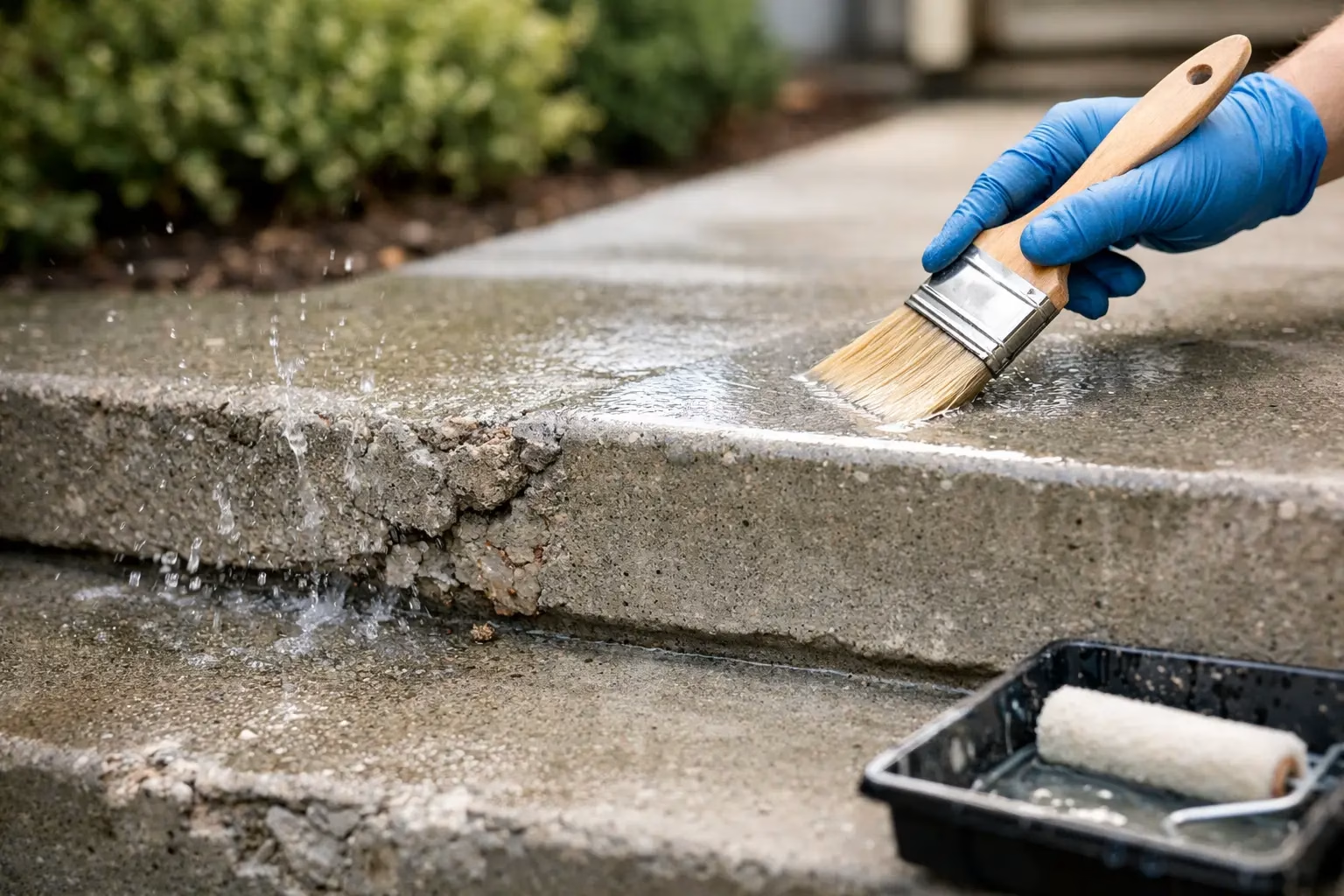
Concrete is durable, but it is not waterproof. It has small pores that absorb moisture, road salt, de-icing products, oils, and other contaminants. On exterior steps and garage entries, that moisture expands and contracts as temperatures change. Over time, the surface can break down into spalling, scaling, exposed aggregate, and crumbling edges.
Mechanical wear adds to the problem. Foot traffic concentrates on stair treads and front edges, while snow shovels, lawn equipment, bikes, and vehicle tires can scrape or impact garage steps. Bare concrete also stains easily. A small oil drip or rust mark can become difficult to remove once it settles into the surface.
Coating over damage without repairing it first only hides the issue temporarily. If weak concrete remains beneath the finish, the coating has no stable base to bond to. That is why surface preparation is the deciding factor in how a coated step performs.
What a Professional Concrete Step Coating Includes
A durable finish begins with the concrete itself. Before coating, our team evaluates cracks, surface delamination, pitting, previous paint or coating failures, and areas where moisture may be affecting the slab. We mechanically prepare the concrete to remove weak material and create the proper profile for a long-lasting bond.
Cracks, chips, and spalled sections are then repaired with professional-grade materials designed for concrete restoration. This step matters most at stair noses and exposed edges, where damage can spread quickly if left open. Repairs are shaped and smoothed so the finished surface looks intentional rather than patched.
Once the substrate is ready, we apply a multi-layer FloorX2 Fusion+Nano® coating system. Rather than relying on conventional epoxy alone, our polyaspartic and nanospartic technology is built for demanding concrete environments. It cures quickly, resists moisture-related failure, and holds its color better under UV exposure. That makes it a strong choice for garage transitions, outdoor-adjacent steps, porches, patios, and walkout areas.
A full-flake broadcast finish is often the best fit for steps because it creates a consistent, decorative surface that helps visually disguise dust and everyday marks. The flakes also provide texture, while the final clear coats protect the system from abrasion, staining, and routine cleaning.
Why Traditional Epoxy Is Often the Wrong Choice for Steps
Epoxy has a long history in concrete coatings, and it can still be useful in certain controlled interior applications. But steps and garage entries introduce challenges that basic epoxy systems do not always handle well: direct sunlight, rapid temperature swings, moisture exposure, and frequent use.
Many DIY epoxy kits offer limited surface preparation and a thinner build. That can lead to peeling at edges, hot-tire pickup near garage steps, yellowing from UV exposure, and visible wear where people step most often. A coating is only as good as its bond to the slab, and rolling a kit over unprepared or damp concrete does not solve underlying damage.
Our FloorX2 Fusion+Nano® systems are designed to outperform conventional epoxy in the areas homeowners notice most. They offer faster cure times, stronger resistance to hot-tire pickup, improved UV stability, and the flexibility needed for changing seasonal conditions. For homeowners dealing with cold winters, wet springs, and freeze-thaw stress, those performance differences are practical, not technical footnotes.
Choosing the Right Finish for Your Steps
The best finish depends on where the steps are located and how you use the space. Garage steps may need to match a newly coated garage floor. A basement stair landing may call for a clean, low-maintenance finish that brightens the room. Exterior entry steps often need greater attention to traction, water exposure, and the condition of the existing concrete.
Full-flake systems are popular because they balance appearance and utility. They come in a range of color blends, from subtle gray and neutral tones to bolder combinations that complement cabinets, slatwall, or exterior finishes. Because the pattern is broadcast across the entire surface, it creates a more refined look than painted concrete while helping conceal small bits of dirt between cleanings.
Slip resistance should be considered carefully. More texture can improve footing, especially near an entry exposed to rain or snow, but an overly aggressive finish can make cleaning harder. We help homeowners choose a traction level suited to the location, the amount of weather exposure, and who uses the steps every day.
Can Damaged Concrete Steps Be Coated?
In many cases, yes. Cracked, pitted, and spalled steps can often be restored successfully when the underlying concrete remains structurally sound. The key is determining whether the damage is surface-level or a sign of a broader issue, such as movement, drainage problems, or serious concrete failure.
Minor surface defects are usually excellent candidates for repair and coating. A professional system can rebuild damaged areas, seal the concrete, and prevent contaminants from penetrating the surface. The result is a step that feels solid underfoot and looks like part of a finished space instead of a neglected slab.
However, coating is not a substitute for structural reconstruction. If a step is shifting, severely cracked through its depth, or separating from the foundation, those conditions need to be addressed before a decorative coating is installed. A straightforward assessment upfront prevents spending money on a finish that cannot perform as intended.
Where Step Coatings Make the Biggest Difference
Concrete step coatings are especially useful in places where bare concrete creates a visual or maintenance problem. Garage-to-house transitions are a common example. That small set of steps may see muddy boots, salt residue, pet traffic, sports equipment, and daily trips between the car and home. Coating it to match the garage floor creates a more complete transformation.
Basement steps and landings also benefit from a protective finish. They often collect dust from unsealed concrete and can look unfinished even after the surrounding basement has been upgraded. A coated surface is easier to sweep, mop, and maintain, especially near laundry rooms, storage areas, or finished recreation spaces.
Patio and porch steps can be excellent candidates as well, provided the concrete condition, exposure level, and drainage are evaluated correctly. In every setting, the goal is the same: protect the concrete and make the space easier to use.
How to Care for Coated Steps
Once installed, a quality concrete step coating does not require complicated maintenance. Regular sweeping removes abrasive grit that can dull any floor surface over time. For routine washing, use a soft mop or brush with water and a mild cleaner. Promptly wipe up oil, fertilizer, paint, and harsh chemical spills rather than allowing them to sit.
Avoid metal shovels or sharp tools that can gouge the finish, particularly on outdoor-adjacent surfaces. If you use de-icing products, choose them thoughtfully and follow the guidance provided for your specific coating and environment. Protecting the finish from unnecessary scraping helps preserve both its appearance and its traction.
The real advantage is that cleaning no longer means fighting stains trapped in porous concrete. Dirt stays on the surface, where it belongs.
A Better Finish Starts Below the Surface
A concrete step coating should do more than make worn steps look better for a season. It should address damaged concrete, create a reliable protective layer, and fit the way your household uses the space. With professional preparation and a high-performance FloorX2 Fusion+Nano® system, your steps can match the clean, durable look of a finished garage or basement without the limitations of a DIY epoxy kit.
Our 15-year all-inclusive transferable guarantee gives homeowners added confidence that the investment is built to last. Use our Floor Visualizer to see how a full-flake finish could look in your space, or request a free estimate for a professional assessment of your concrete steps.