A bare garage slab rarely stays clean for long. Tire marks, oil drips, road salt, concrete dust, and chips around old cracks can make an otherwise useful space feel unfinished. The right garage floor coating changes more than the colour of the concrete. It creates a protected, easier-to-clean surface that holds up to the way your garage is actually used.
The difference is not simply whether a coating is called epoxy, polyaspartic, or something else. Long-term performance starts with the concrete beneath it. A professionally prepared, multi-layer system can turn a stained or damaged slab into a floor that looks polished, handles daily traffic, and supports a more organized garage.
Why Bare Concrete and DIY Epoxy Fall Short
Concrete is strong, but it is also porous. It absorbs moisture, oil, chemicals, and contaminants that leave permanent-looking stains. Over time, vehicle traffic and seasonal temperature changes can expose weak areas, leading to pitting, spalling, and cracks that collect dirt and make cleaning frustrating.
Many homeowners try a paint-on epoxy kit because it appears to be a quick, low-cost fix. The problem is that coating a floor is not the same as painting a wall. If the slab is not mechanically prepared, if moisture is present, or if the concrete contains old sealers and contaminants, the coating may not bond correctly. Peeling, hot-tire pickup, discolouration, and worn traffic paths are common results. For a deeper look at the failure mechanics, see our guide on why garage floor coatings peel.
A professional system is designed to address those risks before the finish coat is applied. It costs more upfront than a weekend kit, but it can prevent the expense and disruption of stripping a failed floor later.
What Makes a Garage Floor Coating Last?
A durable floor is built in layers, beginning with the substrate. The most attractive finish will not compensate for weak, dirty, or damaged concrete underneath. Professional installers evaluate the slab, identify repairs, and prepare the surface so the coating has the profile it needs to bond.
Surface preparation is the foundation
Grinding is one of the most important steps in a quality installation. It removes weak surface material, old coatings, surface contaminants, and the smooth top layer that can prevent adhesion. This process also opens the pores of the concrete and creates the proper texture for the base coat. A key part of this step is removing the weak laitance layer that can otherwise compromise adhesion.
Cracks, pits, and spalled areas should also be repaired before coating. Some movement-related cracks may remain visible or require flexible treatment, so realistic expectations matter. However, professional repair can create a far cleaner, more uniform appearance while protecting damaged areas from further wear.
Materials should match the environment
Epoxy had its era, and it still has a place in controlled indoor settings. But a garage is not a controlled setting. Conventional epoxy struggles with UV exposure, slow cure times, and the freeze-thaw temperature swings Canadian garages face every year. That is why the best epoxy for your garage often is not epoxy at all.
Polyaspartic and nanospartic coatings are often selected for garages because they cure quickly and offer excellent resistance to abrasion, staining, and moisture. Their faster cure profile makes one-day installation possible in many cases, minimizing the time your vehicles and belongings are displaced. Material selection still depends on the concrete condition, the space, weather conditions, and expected use.
For a garage that receives daily vehicle traffic, a professionally specified multi-layer system is typically the better long-term investment. Garage Floors 4 Less uses FloorX2 Fusion+Nano® systems designed to combine high-performance protection with a finished appearance that stands up to real garage conditions.
Full-flake finishes add practical protection
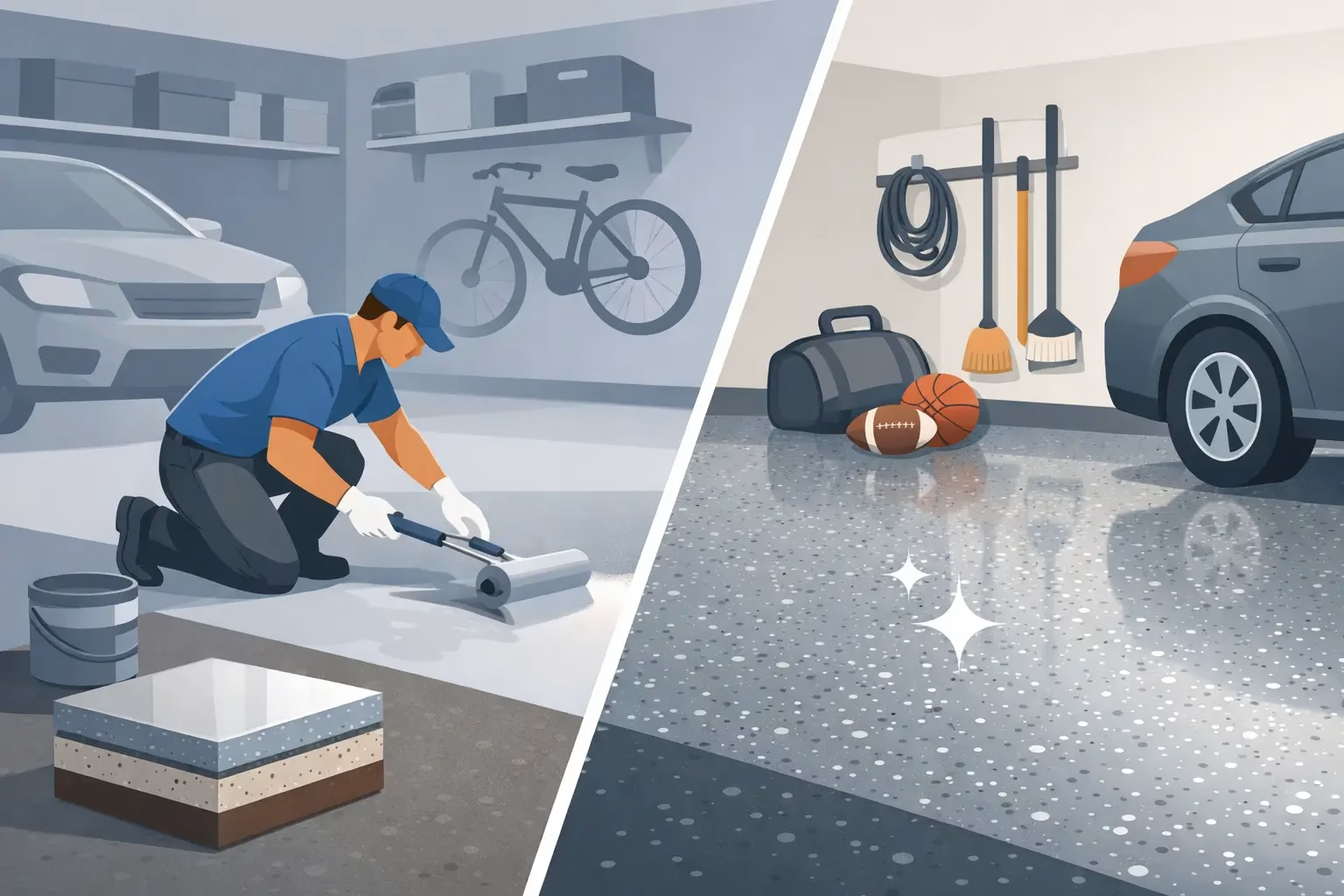
A full-flake broadcast floor is one of the most popular residential choices, and for good reason. Decorative vinyl flakes are broadcast across the coated floor until the surface is fully covered. After the system is scraped, cleaned, and sealed with protective topcoats, the result is a textured, multi-toned finish that helps disguise dust, tire marks, and minor everyday debris.
The flakes are not just decorative. They create visual depth, improve the finished feel of the garage, and can contribute to a more forgiving surface than a single solid colour. Texture can also improve traction, although the exact slip resistance depends on the selected finish and whether the floor is wet. No coating should be treated as slip-proof.
Choosing the Right Finish for Your Space
The best finish depends on how you use the garage and the look you want to create. A full-flake broadcast system works well for most homes because it complements vehicles, cabinets, slatwall, and storage systems without showing every speck of dust.
Solid-colour finishes can suit workshops, utility rooms, or commercial environments where a clean, simple look is preferred. Metallic or highly decorative options can make sense for showrooms and specialty spaces, though they may not hide traffic marks as effectively as a flake system.
Colour choice also has practical implications. Mid-tone blends are usually easier to maintain visually than very light or very dark finishes. If your garage doubles as a workspace, consider lighting, wall colour, cabinetry, and how often the floor will see wet tires, lawn equipment, or heavy tools. The finish should support the way you live, not just look good in a photo.
The Installation Timeline Homeowners Should Expect
A well-planned project can move quickly without skipping the work that matters. Many advanced garage systems can be installed in one day, with return-to-service timing based on the coating system, temperature, and site conditions. That speed is a major advantage over traditional products that may require several days between coats.
The process generally begins with a consultation and concrete assessment. The installer measures the space, discusses finish options, reviews visible damage, and identifies issues such as moisture, previous coatings, or significant deterioration. A clear quote should explain what is included, particularly concrete repairs and preparation.
On installation day, the crew prepares the slab through mechanical grinding, completes needed repairs, applies the base system, broadcasts flakes where selected, and finishes with protective topcoats. The space is then allowed to cure before foot traffic, storage items, or vehicles return. A fast installation is valuable, but proper cure time should never be rushed.
How to Keep a Coated Garage Floor Looking New
A quality coating reduces maintenance, but it does not eliminate it. Sweep or blow out abrasive grit and road debris regularly, especially in winter. Sand and de-icing residue can act like sandpaper under tires and footwear if left in place.
For routine cleaning, use a soft broom, microfiber mop, or gentle floor-cleaning solution recommended for coated floors. Wipe up oil, fuel, chemicals, and standing water promptly. Avoid harsh acid cleaners, aggressive degreasers, and stiff wire brushes that can dull or damage the topcoat.
Protect the surface from extreme point loads when possible. Place pads beneath metal storage legs, use a mat beneath motorcycle kickstands, and avoid dragging sharp or heavy equipment across the floor. These small habits help preserve the topcoat and keep the space looking finished.
When Professional Installation Is Worth It
Professional installation is especially valuable when your concrete is cracked, stained, spalled, previously painted, or exposed to seasonal moisture. These are the conditions where shortcuts are most likely to lead to failure. An experienced installer can identify whether the slab needs repair, what preparation is required, and which coating system is appropriate for the environment.
It also provides accountability that a box-store kit cannot. A strong warranty should cover more than the material itself and clearly explain what protection is included. Every Garage Floors 4 Less installation is backed by a 15-year all-inclusive transferable guarantee. That coverage goes beyond the material itself, and it stays with the home if you sell.
Your garage should not be the room where unfinished concrete, clutter, and stains get a permanent pass. With the right preparation and coating system, it can become a cleaner place to park, work, store equipment, and enjoy every day.
Ready to see what your garage floor could look like? Try our Floor Visualizer or request a free estimate from your local Garage Floors 4 Less team. Most FloorX2 installations are completed in a single day.