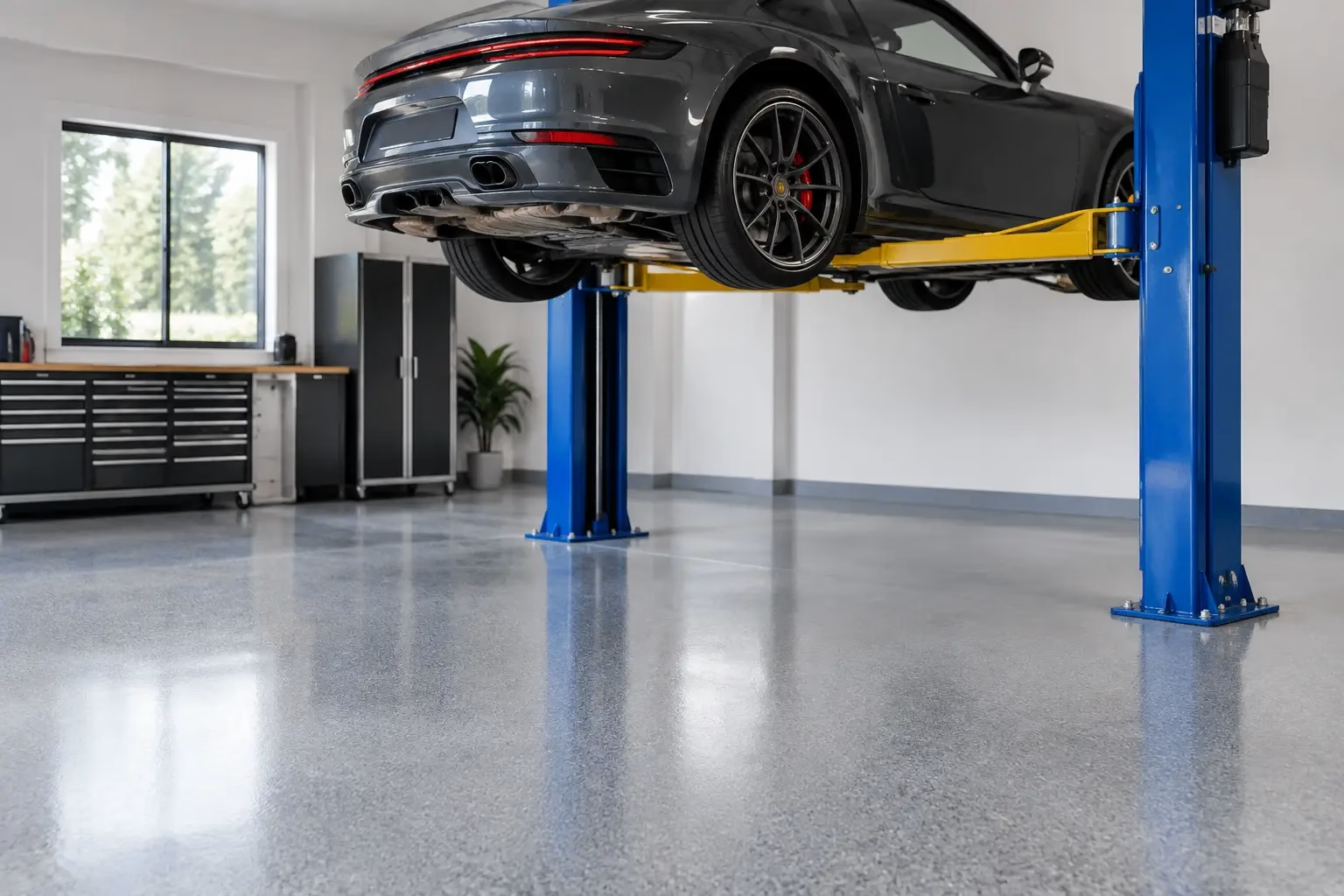
A car lift can turn a home garage into a serious workspace, but it also concentrates thousands of pounds of force in a few small areas of concrete. That is why the best floors for car lifts are not defined by appearance alone. The slab must be structurally suitable for the lift, properly repaired where needed, and protected with a coating system that stands up to tires, tools, fluids, moisture, and daily use.
A beautiful floor coating cannot compensate for weak or undersized concrete. At the same time, a sound slab left bare can absorb oil, salt, water, and chemicals until it becomes stained, dusty, and difficult to maintain. The right answer is a floor plan that addresses both the concrete beneath the lift and the finished surface around it.
What the Best Floors for Car Lifts Have in Common
The starting point is a concrete slab that meets the lift manufacturer’s requirements. Most two-post and four-post lifts specify a minimum concrete thickness and compressive strength, along with rules for anchor placement, curing age, and slab condition. Those requirements are not suggestions. They are part of safe lift installation.
A two-post lift deserves especially close attention because its columns and anchors transfer substantial force into specific sections of the slab. A four-post lift spreads vehicle weight over a broader footprint, but it still requires level, sound concrete and proper placement. Scissor lifts, parking lifts, and specialty equipment each have their own specifications.
Before choosing a finish, confirm these essentials with the lift manufacturer and a qualified installer:
- The slab thickness, concrete strength, and age meet the lift’s published requirements.
- There are no major cracks, hollow areas, settlement issues, or crumbling sections near the lift location.
- The proposed anchor locations are clear of slab edges, drains, radiant heating lines, and known utility runs.
- The floor is level enough for safe lift operation and effective vehicle positioning.
No coating should be presented as a structural repair for an inadequate slab. If concrete is too thin, badly deteriorated, or compromised by movement, the correct fix may involve engineering advice, concrete replacement, or a properly designed reinforced pad.
Concrete Condition Matters More Than a Glossy Finish
Garage concrete often looks acceptable until preparation begins. Hairline cracks, pitting, spalling, oil contamination, and weak surface paste can all interfere with a protective floor system. Around a car lift, those details matter because the space sees repeated point loads, rolling jacks, dropped tools, hot tires, and automotive fluids.
Cracks should be evaluated rather than simply hidden. Stable surface cracks can often be professionally filled and blended into the floor system. Wider cracks, moving cracks, or cracks associated with settlement may need a different repair approach before coating. Likewise, spalled areas should be repaired to restore a smooth, durable surface instead of being covered over and left to worsen underneath.
Proper mechanical preparation is equally important. Coatings need a clean, profiled concrete surface to bond correctly. Grinding removes weak concrete, old coating residue, surface contaminants, and the smooth finish that prevents reliable adhesion. It is one reason professionally prepared floors perform differently from products applied over a slab that has only been acid-etched or pressure-washed.
For garages with a lift, preparation should extend across the entire working area, not just the open floor. A uniform surface makes it easier to roll a tool chest, move a transmission jack, clean up a fluid spill, and spot developing issues around the lift base.
Why Bare Concrete Falls Short in a Lift Bay
Bare concrete is durable in the structural sense, but it is porous. Oil, brake fluid, road salt, washer fluid, and melted snow can penetrate its surface. Over time, that leaves permanent stains, concrete dust, and rough patches that are harder to clean.
In colder climates, moisture and de-icing salt make the problem more demanding. Water enters pores and cracks, then freeze-thaw cycles can widen damage and contribute to surface breakdown. A lift bay is often where vehicles drip the most, which means the floor needs more than a quick sweep to stay presentable.
A professionally installed coating gives the slab a protective, non-porous wearing surface. It helps keep spills at the surface, where they can be wiped up instead of absorbed. It also makes the garage brighter and easier to maintain, which matters when you are working underneath a vehicle or organizing parts and equipment.
The Right Coating for a Car Lift Garage
For a finished lift garage, we recommend a high-performance FloorX2 Fusion+Nano® system with a full-flake broadcast finish. This is not a cosmetic top layer applied to questionable concrete. It is a professionally installed, multi-layer system built around detailed substrate preparation, concrete repair, and a durable protective finish.
A full-flake surface offers practical benefits in a working garage. The decorative flakes add visual depth while helping mask the dust and minor debris that inevitably collect around a vehicle workspace. The texture can also provide useful traction when the floor is wet, while the sealed finish remains easy to clean.
FloorX2 Fusion+Nano® is designed for conditions that make ordinary garage coatings frustrating: hot-tire pickup, heavy use, moisture exposure, and the temperature swings common in Canadian garages. Its fast-curing technology also supports efficient installation, often allowing us to complete a garage floor transformation in one day. That means less disruption to your parking, storage, and project schedule.
Conventional epoxy helped establish the idea of a coated garage floor, but many homeowners have seen its limitations firsthand. Discoloration, long downtime, and peeling caused by poor preparation or moisture-related bond failure can turn an upgrade into another repair project. A professional system begins with the concrete, because adhesion and long-term performance depend on what happens before the finish is installed.
Should the Lift Be Installed Before or After the Floor Is Coated?
In most cases, it is best to repair and coat the floor before the lift is installed. This allows the entire slab to be prepared consistently and avoids coating around existing posts, baseplates, and anchors. The result is cleaner coverage, easier cleanup, and a more finished appearance.
That said, the lift installer’s requirements always come first. Anchors must be installed according to the equipment manufacturer’s specifications, and coating should never interfere with those instructions. A professional flooring team can coordinate the sequence so the floor is finished properly without compromising lift installation or access to the anchor locations.
If a lift is already in place, the floor can still be improved. The process simply requires careful planning around the equipment and an honest assessment of what can be prepared and coated safely. In some cases, temporarily moving the lift may be the best way to create a uniform, lasting result.
Details That Make a Lift Garage Work Better
A high-performance floor is the foundation, but the surrounding layout makes the garage more useful. Plan for drainage so melted snow and wash water do not collect at the lift posts. Keep a clear path for jacks, rolling carts, and vehicle doors. If you store chemicals, tires, or detailing supplies, wall-mounted organization keeps them off the floor and out of the work zone.
Color selection is practical, too. Mid-tone flake blends are forgiving in active garages, while lighter blends can brighten a darker space and make small parts easier to find. The best choice depends on how the garage is used, how much natural light it gets, and whether you want the room to feel more like a workshop, showroom, or both.
At Garage Floors 4 Less, our FloorX2 Fusion+Nano® system is backed by our 15-year all-inclusive transferable guarantee. It is protection designed for homeowners who want their garage floor to work as hard as the vehicles and equipment it supports.
Before bringing a lift into the garage, verify the slab with the lift manufacturer, address concrete damage correctly, and choose a floor system built for the demands of the space. Try our Floor Visualizer to explore finish options, or request a free estimate to plan a garage floor that is ready for real work.