A fresh oil spot can turn a clean garage floor into a problem fast. It tracks under shoes, collects dust, and leaves a dark mark that makes even an organized space look neglected. Knowing how to remove oil stains from concrete helps, but the method matters: a surface spill is very different from oil that has soaked deep into a porous, aging slab.
The goal is not simply to make the stain less visible for a few days. It is to pull out as much oil as possible, prevent it from spreading, and understand when the concrete needs professional preparation before it can be repaired or coated.
How to Remove Oil Stains From Concrete Before They Set
Start as soon as you notice the leak. Fresh oil sits closer to the surface, making it far easier to absorb and clean than a stain that has been baked into the concrete by summer heat or months of vehicle traffic.
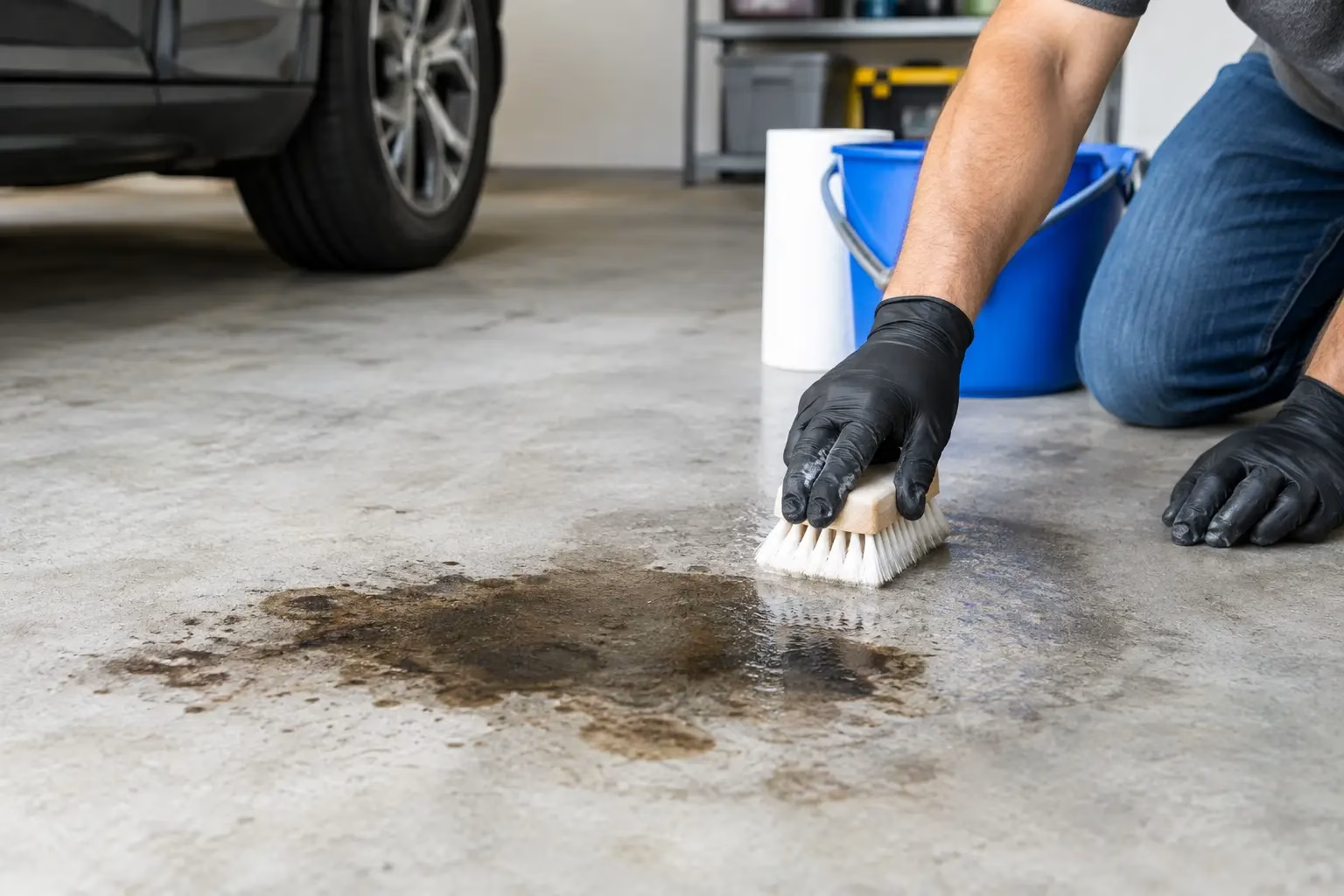
Cover the spill with an absorbent material such as clay-based cat litter, oil-dry granules, baking soda, or an oil-absorbent shop product. Work it gently into the spill with your shoe or a stiff broom, then leave it in place long enough to draw up the liquid. Several hours is helpful, and overnight is better for a larger fresh spill.
Sweep up the absorbent material before applying a cleaner. Do not hose the area down first. Water can move oil across the slab, push it into surrounding pores, and carry contaminated runoff into the driveway or drainage areas.
Once the loose oil is removed, apply a concrete-safe degreaser according to its directions. Use a stiff nylon brush to work the cleaner into the stained area, keeping the treatment focused rather than flooding the floor. Rinse with a small amount of clean water and collect the dirty liquid with a wet vacuum, absorbent towels, or more oil-dry material where practical.
Avoid using a wire brush. It can leave metal particles behind that later rust and create additional discoloration. It can also roughen the surface unevenly without actually removing the oil below it.
For Older, Darker Oil Stains, Use a Poultice
A degreaser is often enough for a recent drip, but older stains usually require more patience. Bare concrete is porous, so motor oil, transmission fluid, and similar automotive fluids can migrate beneath the top surface. Scrubbing alone may clean the visible residue while leaving oil trapped below.
For a stubborn stain, make or purchase a poultice designed to lift petroleum-based contaminants. A poultice combines an absorbent powder with a compatible solvent or cleaner, creating a paste that pulls the oil upward as it dries. Apply it over the stain, extending slightly beyond the visible edge, and allow it to dry fully before scraping or sweeping it away.
One treatment may not completely remove a long-standing stain. Repeat applications are normal, especially on older garage concrete with years of vehicle leaks. The stain may lighten gradually rather than disappear all at once.
Be careful with aggressive household solvents. Gasoline, paint thinner, and similar products create fire, fume, and disposal hazards, and they can spread oily contamination farther into the slab. They are not a practical answer for a garage floor you want to protect long term.
Why Pressure Washing Usually Is Not the First Fix
Pressure washing can improve the appearance of dusty concrete, but it is not a reliable first response to oil. High pressure may drive contaminants deeper into open pores or scatter oily water onto walls, vehicles, and adjacent areas. It can also expose weak concrete, spalling, or surface defects that were already developing.
If the oil has been removed and you are preparing the floor for a coating, professional mechanical preparation is far more controlled. It opens the concrete evenly, removes weak surface material, and gives a high-performance coating the profile it needs to bond properly.
When an Oil Stain Is a Coating Problem
If you are considering a garage floor upgrade, oil removal becomes more than a cleaning task. Coatings depend on sound, properly prepared concrete. Residual oil can interfere with adhesion, particularly where old leaks have repeatedly soaked the same parking spot.
This is why a quick surface wash is not a substitute for professional assessment. Our crews evaluate staining along with cracks, pitting, moisture concerns, previous coatings, and concrete strength before installation. Areas with deep contamination may need targeted treatment, additional grinding, repairs, or other preparation so the finished floor is built on a stable surface.
Traditional epoxy has a long history in garage flooring, but homeowners have seen what can happen when surface preparation is rushed: peeling, hot-tire pickup, yellowing, and failure around damaged concrete. A professionally installed FloorX2 Fusion+Nano® system uses advanced nanospartic coating technology, thorough substrate preparation, and a full-flake broadcast finish to create a durable, easy-to-clean surface.
That means routine drips have less opportunity to penetrate the floor in the first place. Instead of soaking into bare concrete, most fresh spills can be wiped up with an absorbent towel or cleaned with a mild, coating-safe cleaner. The result is a garage that looks finished, functions better, and is much easier to maintain through changing temperatures and daily vehicle use.
Prevent the Next Oil Mark
Cleaning a stain is useful. Stopping repeat stains is better. If a vehicle is actively leaking, have the mechanical issue diagnosed rather than relying on a mat or absorbent material as a permanent fix. A drip tray can protect a parking area temporarily, but it should be emptied and cleaned regularly.
For a coated garage floor, keep a small spill-response kit nearby with absorbent granules, disposable gloves, a plastic scraper, soft towels, and a pH-neutral cleaner approved for coated surfaces. Address automotive fluids promptly, and avoid harsh acids, abrasive powders, or strong solvent cleaners unless your flooring professional specifically recommends them.
Good garage organization also reduces the chance of turning one drip into a wider mess. Keeping oils, lubricants, lawn equipment, and automotive supplies in designated storage areas makes leaks easier to spot and clean before they spread across the floor.
When to Call a Professional
It is time for a professional opinion when the stain returns after cleaning, the concrete remains dark and greasy, or the floor has flaking, cracking, pitting, or old coating failure nearby. Those conditions can signal deeper contamination or a weak surface that needs more than a consumer-grade cleaner.
At Garage Floors 4 Less, we build every floor around proper preparation, not a cosmetic shortcut. Our FloorX2 Fusion+Nano® flooring systems can be installed in as little as one day and are backed by our 15-year all-inclusive transferable guarantee. The right preparation protects the appearance and performance of the finished floor from day one.
If oil stains have made your garage feel like a space you have to hide rather than use, request a free estimate and find out what a professionally prepared floor can change.