A garage floor can look fine when it is empty, then tell a different story after one winter. Road salt residue, wet tires, oil spots, concrete dust, and hairline cracks quickly expose the limits of an untreated slab. The decision around concrete sealer versus coating is not simply about adding shine. It is about choosing the right level of protection for the way you actually use the space.
A penetrating sealer can be a sensible maintenance product for certain concrete surfaces. A professionally installed coating system is a more complete floor transformation for homeowners who want a clean, durable, easy-to-maintain garage, basement, workshop, or commercial space. Knowing the difference helps prevent the common disappointment of spending money on a floor that still stains, deteriorates, or looks unfinished a short time later.
Concrete Sealer Versus Coating: The Core Difference
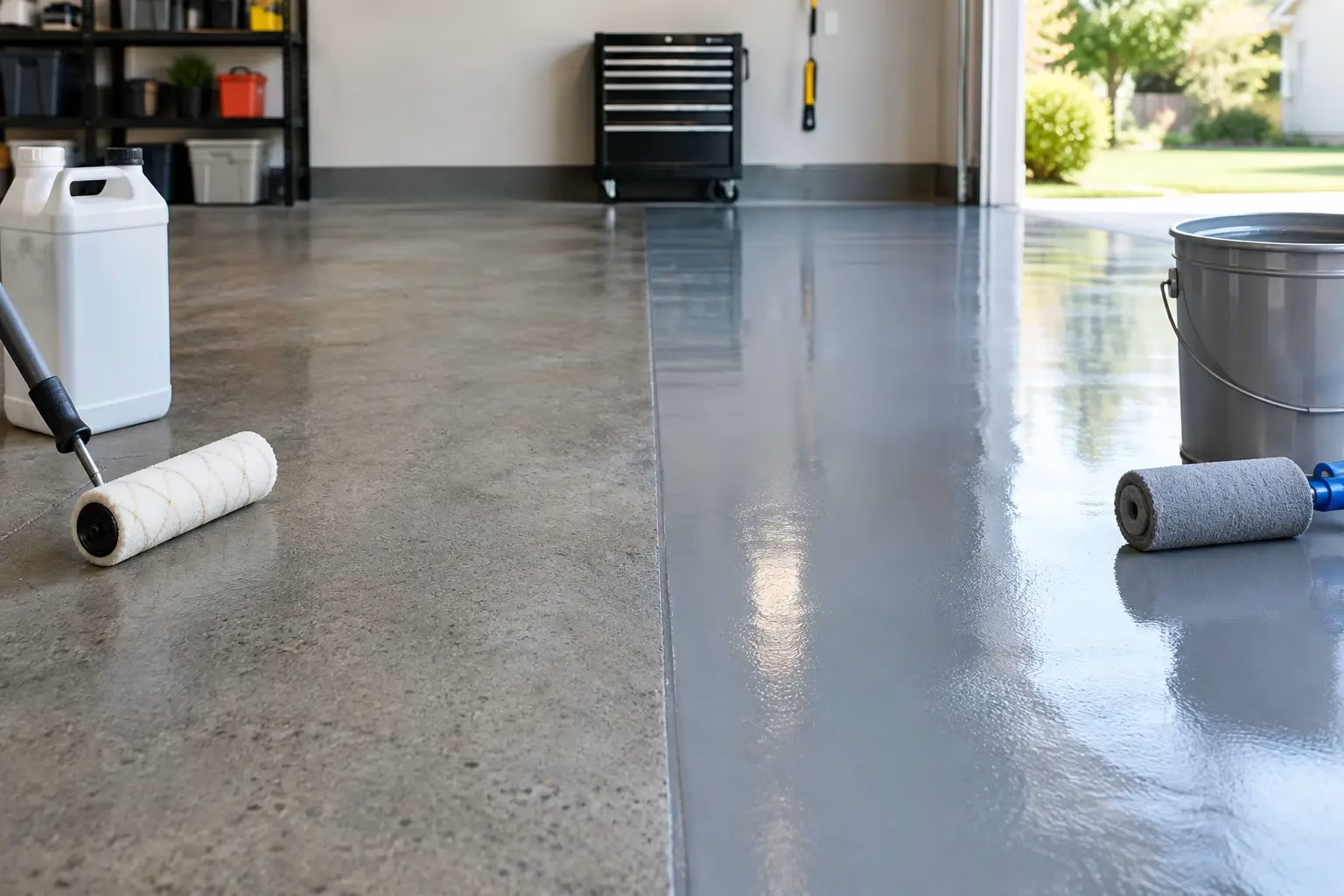
A concrete sealer is designed to reduce the amount of water, salts, and contaminants that enter the concrete. Most sealers soak into the slab or leave a very thin protective film near the surface. They can help slow moisture absorption and reduce damage from freeze-thaw exposure, especially on exterior concrete such as patios, walkways, and steps.
A coating is a built-up flooring system that bonds to properly prepared concrete and creates a new, protective wearing surface. Rather than simply reducing absorption, it covers the slab with layers engineered to protect it from abrasion, stains, tire traffic, chemicals, and daily wear. A full-flake broadcast floor also changes the appearance of the space, concealing minor visual imperfections while creating a finished, intentional look.
That distinction matters in a garage. A sealer helps concrete remain concrete. A coating turns a worn or porous slab into a surface designed for the demands placed on a garage floor.
When a Concrete Sealer Makes Sense
Concrete sealer is not a bad product. It is simply not the answer to every concrete problem. On exterior slabs where the goal is to limit water penetration without changing the appearance significantly, a penetrating sealer can be practical. It is also useful when a surface is sound, lightly used, and does not need resistance to automotive fluids, hot tires, or frequent abrasion.
For example, a homeowner may choose a sealer for a plain backyard walkway or a utility-area slab where appearance is not a priority. It can offer a lower upfront cost and generally involves less preparation than a multi-layer coating system.
The trade-off is that sealer is not a corrective solution for deteriorated concrete. It will not fill spalling, level pitted areas, hide stains, or create a decorative finish. It also does not provide the same physical barrier against dropped tools, vehicle traffic, and repeated cleaning. In Canadian climates, where water and de-icing salts can work their way into porous concrete before freezing, the condition of the slab still needs close attention.
Why Garage Floors Usually Need More Than Sealer
A garage is often the hardest-working room in the house. It may store vehicles, bicycles, lawn equipment, sports gear, tools, recycling, and seasonal items. The floor is exposed to water, salt, oil, gasoline, fertilizer, brake fluid, and the grit carried in on tires. Bare concrete absorbs much of that mess, which is why stains can become permanent and cleaning can feel like a losing battle.
A coating system gives those contaminants a surface to sit on rather than soak through. With the right installation and texture, the floor becomes easier to sweep, rinse, and maintain. The visual benefit is just as meaningful: instead of an unfinished gray slab, the garage becomes a space that feels connected to the rest of the home.
This is especially valuable if you are investing in cabinets, slatwall, or overhead storage. An organized garage still looks incomplete when the concrete below it is cracked, dusty, and stained. The floor provides the foundation for the entire transformation.
Coating Performance Depends on Preparation
The biggest difference between a coating that lasts and one that fails early is often invisible once the job is complete: surface preparation. Concrete can hold moisture, curing compounds, old coatings, oil residue, and contaminants below the surface. If those issues are not addressed, even a high-quality coating may not bond as intended.
Professional preparation typically starts with assessing the slab for cracks, spalling, pitting, moisture concerns, and contamination. The concrete is mechanically prepared to create the correct profile for adhesion, then damaged areas are repaired before the coating layers are applied. This work is not a cosmetic extra. It is the reason the finished floor has a sound base to bond to.
A sealer generally requires a clean surface, but it does not resolve these structural and surface-level issues. Applying it over cracked or deteriorating concrete may reduce absorption temporarily, yet the visible damage remains and can continue to worsen.
Cracks and Pitting Need a Repair Plan
Not every crack means a slab is failing, but every crack should be evaluated. Hairline cracks may be repaired as part of a coating project. Wider movement cracks, spalling from salt exposure, and deep pitting require a more specific repair approach. Coating over damaged areas without proper repair can leave the floor looking uneven and can compromise its long-term appearance.
At Garage Floors 4 Less, we treat repair as part of building a floor system, not as an afterthought. The goal is a finished surface that looks consistent and holds up to real use.
What a High-Performance Coating Adds
Not all coatings are alike. Conventional epoxy has a long history in garage flooring, but homeowners have also seen its familiar limitations: yellowing from UV exposure, extended cure times, and failures associated with improper preparation or moisture issues. A professional system should be selected for the conditions of the space, not just for a product label.
Our FloorX2 Fusion+Nano® system is a nanospartic, multi-layer coating solution designed for demanding concrete environments. Its fast cure supports one-day installation for many residential projects, allowing you to get your garage back sooner. Its UV stability helps maintain the color of the floor, while its resistance to hot-tire pickup and common garage contaminants addresses the problems homeowners notice most.
A full-flake broadcast finish gives the floor depth and texture while helping disguise dust, small debris, and the occasional mark between cleanings. It is a practical finish, not just a decorative one. For homes dealing with wet winters and repeated freeze-thaw cycles, a professionally prepared and protected floor also offers a far more dependable response to the moisture and salt that bare concrete absorbs.
Cost Should Be Measured Against the Result
Sealer is usually less expensive at the start. If your only goal is basic water repellency on a low-demand slab, that may be the right decision. But comparing initial price alone misses the larger question: what do you want the floor to do?
If you want to improve appearance, repair damage, stop concrete dust, simplify cleaning, resist stains, and make the garage feel usable rather than unfinished, a coating provides value that sealer cannot. It is also worth considering the disruption of repeated reapplication. A sealer may need renewal as it wears or loses effectiveness, while a professionally installed floor system is intended as a long-term improvement.
Our FloorX2 Fusion+Nano® installations are backed by our 15-year all-inclusive transferable guarantee. That coverage reflects confidence not only in the materials but also in the preparation and installation process behind them.
How to Choose for Your Concrete
Start with the condition and purpose of the slab. A sound exterior walkway that needs basic moisture resistance may be a sealer project. A stained garage with cracks, tire marks, concrete dust, or a desire for a finished look is usually a coating project. The same goes for workshops, basements, showrooms, and commercial garages where appearance and durability both matter.
Also consider timing. If the garage is central to your routine, a fast-curing professional system can be a major advantage. You should not have to plan weeks around a floor upgrade when the right system and crew can complete many installations in a single day.
The best choice is not automatically the least expensive product or the thickest-looking layer. It is the solution that matches the slab, the environment, and the way you expect the space to perform. Try our Floor Visualizer to see how a finished floor could change your garage, or request a free estimate for a recommendation based on your concrete and goals.