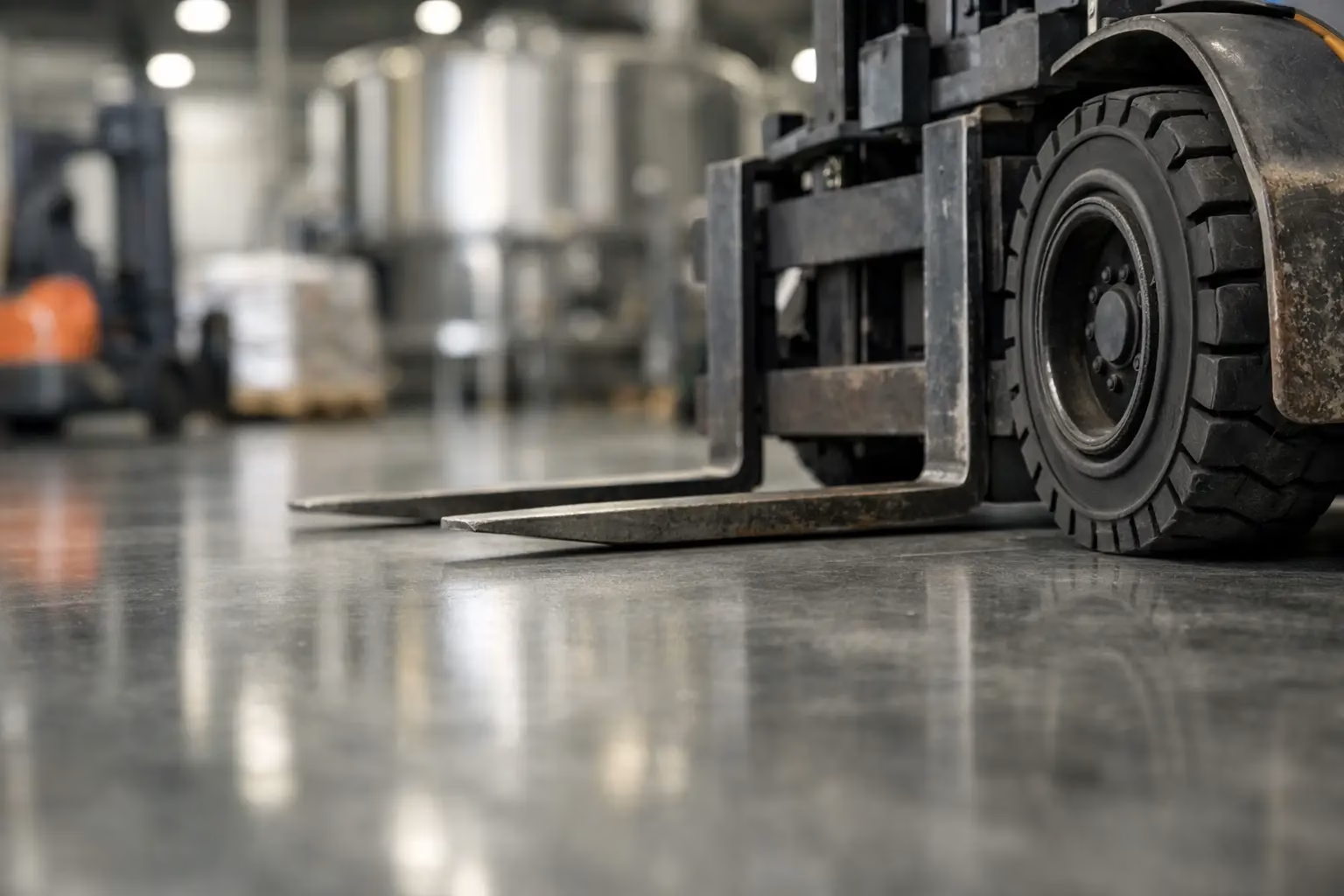
A warehouse floor can look acceptable right up until forklifts leave tire marks, moisture pushes through the slab, and surface damage starts collecting dust and oil. Effective industrial flooring is not simply about covering concrete. It is about preparing the slab correctly, repairing its weaknesses, and installing a protective system built for the traffic and conditions it will face.
For commercial garages, workshops, warehouses, showrooms, and service bays, the floor is a working surface. When it fails, cleaning becomes harder, safety concerns increase, and the space starts to look neglected. The right coating system protects the concrete while creating a cleaner, more professional environment for employees, customers, vehicles, and equipment.
Why Industrial Flooring Fails Before Its Time
Most floor failures begin below the coating. Bare concrete may appear solid, but it is porous and vulnerable to moisture vapor, chemical spills, abrasion, freeze-thaw movement, and impact. Cracks, pits, spalling, and weak surface concrete are not cosmetic issues. They create entry points for water and contaminants that can compromise a new finish if they are not professionally addressed first.
Surface preparation is where shortcuts become expensive. A coating applied over dust, oil residue, weak concrete, or an improperly profiled slab may peel, blister, or wear unevenly. That is why we start by assessing the concrete itself, not by selecting a color chip. Mechanical preparation creates the proper surface profile for adhesion, while targeted repairs restore damaged areas before the protective layers are installed.
The demands of the space matter, too. A private workshop with occasional vehicle traffic needs a different approach than a busy commercial service area with rolling tools, heavy loads, and frequent fluid exposure. Industrial flooring should be selected around actual use, not just first-day appearance.
The Performance Requirements of Industrial Flooring
A high-performing floor system must handle more than foot traffic. In many commercial and industrial settings, it needs to resist vehicle abrasion, dropped tools, tire heat, oil, road salt, cleaning chemicals, and repeated impacts. It should also make day-to-day maintenance simpler by limiting the way dirt and spills penetrate the concrete.
Moisture is particularly relevant in Canadian climates, where snow, slush, de-icing products, and seasonal temperature swings put constant stress on concrete slabs. In unprotected garages and loading areas, that moisture can carry salt into the concrete, accelerating surface deterioration. A professionally installed coating system helps protect the slab from that exposure while giving water and debris fewer places to settle.
Appearance has a practical role as well. A clean, consistent floor improves visibility, helps define work zones, and supports a professional customer experience. In showrooms and automotive spaces, the floor often becomes part of the presentation. In warehouses and shops, it helps create a brighter, more organized work environment without demanding constant scrubbing.
Why Preparation Is the Deciding Factor
Coating technology matters, but preparation determines whether that technology can do its job. At Garage Floors 4 Less, our process begins with professional concrete preparation and repair. We address cracks, pitting, spalling, and damaged areas so the finished floor is built on a sound surface rather than hiding defects that will continue to worsen underneath.
Mechanical grinding removes weak surface material, opens the pores of the concrete, and creates a profile that allows the coating to bond properly. This is fundamentally different from relying on acid etching or quick cleaning methods that may not remove embedded contaminants or properly prepare a dense slab.
The repair stage should also be matched to the condition of the floor. Fine cracks may need stabilization and filling, while widespread flaking or spalling may require more extensive restoration. A reputable installer will explain what the slab needs and why. If the concrete has moisture concerns, active deterioration, or structural movement, those factors should be evaluated before any finish is applied.
A Better System for Demanding Concrete Floors
Conventional epoxy helped introduce many property owners to coated concrete floors, but it has limitations in demanding environments. It can be sensitive to installation conditions, takes longer to cure, and may discolor when exposed to UV light. In garages and commercial spaces where vehicles, sunlight, moisture, and scheduling matter, those limitations can become highly visible.
Our FloorX2 Fusion+Nano® system uses advanced nanospartic coating technology designed for fast cure times, strong adhesion, UV stability, and resistance to hot-tire pickup. Its multi-layer construction is built to protect concrete while delivering a finished surface that looks intentional rather than industrial in the outdated sense of the word.
A full-flake broadcast finish is especially effective for many garages, workshops, and commercial spaces. Decorative flakes create visual depth and help disguise everyday dust and minor debris better than a single-color coating. The final protective layer provides a finished texture that supports traction while remaining easy to clean. The right texture depends on the environment: a service bay may need more grip than a showroom, while a warehouse must balance traction with the movement of wheeled equipment.
Speed Matters, but It Should Not Mean Cutting Corners
Business owners cannot always close an active space for several days while a floor cures. Homeowners also do not want a garage or workshop tied up for a week. Fast installation is valuable when it is supported by a proven system and disciplined preparation, not when it skips critical repair or curing steps.
Our professional installation process can often be completed in one day, helping minimize downtime without treating the floor as a rushed cosmetic project. That makes a meaningful difference for commercial garages, retail-adjacent workspaces, and homeowners who need their garage back quickly. The exact timeline depends on slab condition, square footage, repair needs, weather, and the intended use of the space.
Long-term protection also matters after installation day. Our FloorX2 system is backed by a 15-year all-inclusive transferable guarantee, giving property owners added confidence that their investment is protected. A transferable guarantee can be especially valuable for homeowners planning future resale and for commercial owners who expect their space to remain productive for years.
Choosing the Right Finish for the Space
The best industrial floor is not always the darkest, glossiest, or most heavily textured option. It is the one that supports how the space operates. A bright, lighter flake blend can help a workshop or warehouse feel cleaner and improve visibility. A more neutral pattern may suit a showroom, while a busier blend can be practical in a service area where dust and tire residue are part of daily operations.
Before choosing a finish, consider the type of traffic, expected spills, exposure to sunlight, cleaning routine, and visual goals. Also think about the surrounding space. A professionally coated garage floor can pair naturally with cabinets, slatwall, and overhead storage to create a more useful work and storage area rather than simply a nicer-looking slab.
Maintenance should be straightforward. Regular sweeping removes abrasive grit, while routine cleaning with appropriate products helps preserve the finish. Promptly wiping up fluid spills remains a good habit, even with a protective coating in place. A high-performance floor reduces maintenance effort, but it does not eliminate the need for sensible care.
A concrete floor should support the way you work, store, build, repair, and welcome customers. If your slab is stained, cracked, dusty, or difficult to maintain, try our Floor Visualizer to see the transformation or request a free estimate for a professional assessment of what your floor needs.