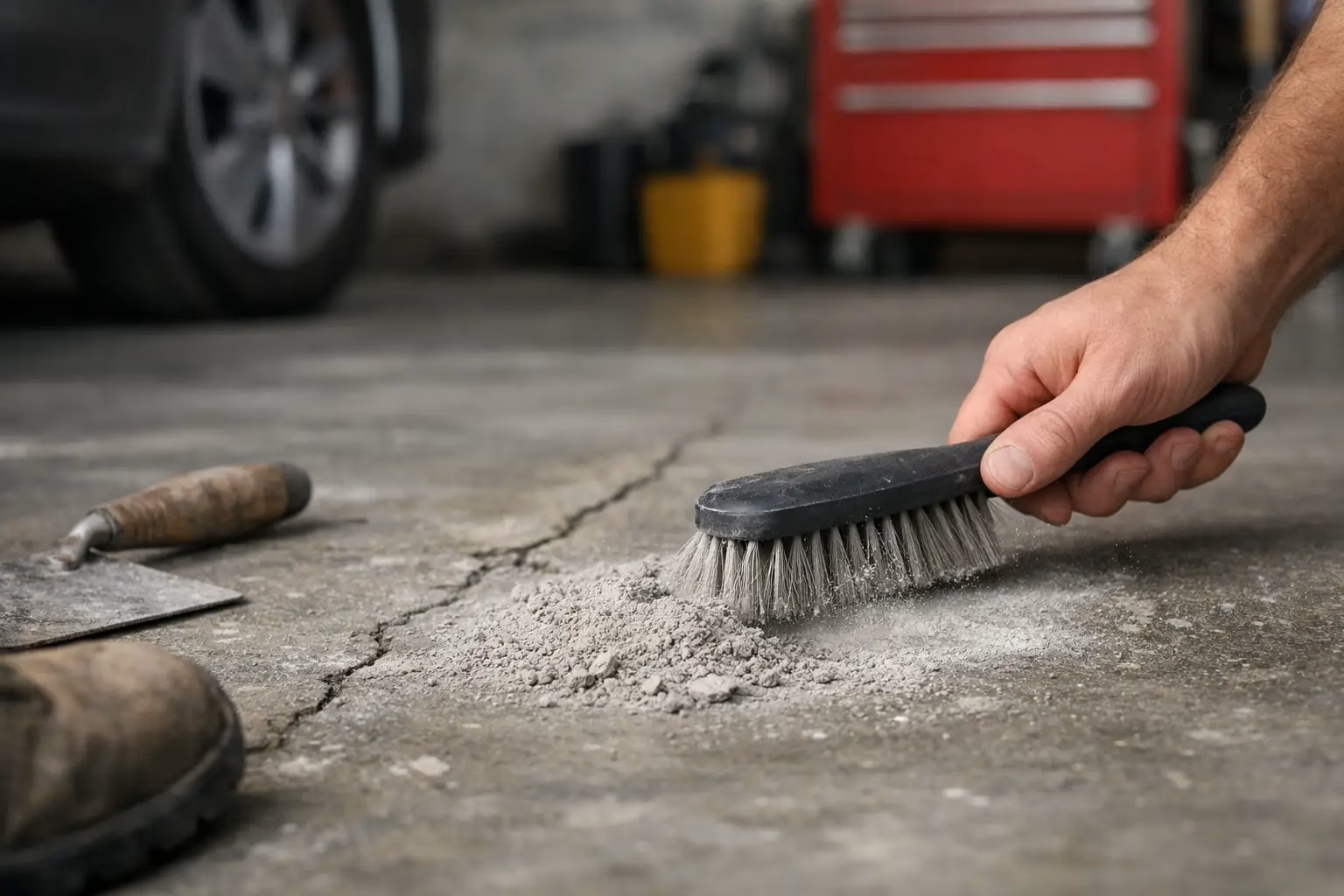
A light gray powder on your shoes, tires, storage bins, or garage floor is more than a cleaning nuisance. If you are asking what causes concrete dusting, the short answer is that the slab’s surface is breaking down. Left untreated, that weak top layer can make a garage look permanently dirty, worsen surface wear, and interfere with any coating applied over it.
Concrete dusting is common in older garages, basements, workshops, and commercial spaces, but age is not the only factor. Some newer slabs dust because of how they were placed, cured, or exposed to moisture. The good news is that dusting can usually be diagnosed and addressed before it turns into more serious pitting, spalling, or coating failure.
What Causes Concrete Dusting?
Concrete gets its strength from a chemical reaction between cement and water. When that process is disrupted, or when the finished surface is weaker than the concrete beneath it, the top layer can slowly release fine particles. The result is a chalky film that returns even after sweeping or mopping.
In a garage, this often becomes obvious around tire paths, entry doors, and areas where boxes or equipment sit. You may notice that concrete looks faded in spots, feels rough underfoot, or leaves powder behind when you rub it with your hand.
Too Much Water in the Concrete Mix
One of the most common causes is excess water. Water makes wet concrete easier to place and finish, but too much of it can dilute the cement paste at the surface. As the slab cures, that upper layer may lack the density and strength needed to stand up to traffic, abrasion, and seasonal changes.
Adding water to a truckload at the jobsite or using excess water while finishing can create this problem. The slab may look smooth at first, yet develop a weak, dusty surface later. This is why a clean-looking garage floor is not always a sound substrate for a long-term coating system.
Poor Finishing and Curing Practices
Concrete must be finished at the right time. If a finisher works the surface while bleed water is still present, that water can be trapped in the top layer. The surface may become soft, porous, and prone to dusting.
Curing matters just as much. Fresh concrete needs adequate time and moisture to develop strength. When a slab dries too quickly because of heat, wind, low humidity, or inadequate curing procedures, it may never reach its intended surface hardness. In cold climates, improper early protection can add another layer of risk.
Freeze-Thaw Cycles and Deicing Salts
Garage floors in Canadian climates face an especially demanding cycle. Snow and slush melt off vehicles, water enters tiny pores in the concrete, temperatures drop, and that water expands as it freezes. Repeated freeze-thaw movement can weaken the surface and eventually cause dusting, scaling, or spalling.
Deicing salts speed up the damage. Road salt carried in on tires can work into unprotected concrete and contribute to surface deterioration. A dusty floor may be an early warning that the slab is becoming more vulnerable, particularly near the overhead door and parking areas.
Moisture Moving Up Through the Slab
Concrete is not waterproof. Moisture vapor can move from the soil below the slab toward the surface, even when the floor looks dry. If the slab lacks an effective vapor barrier, has drainage issues, or is exposed to persistent groundwater conditions, that moisture movement can weaken the surface over time.
Moisture is also a major consideration before coating a floor. A coating placed over a slab without proper moisture assessment and surface preparation can lose adhesion. Peeling is not always a product problem – it can be the result of a weak or moisture-affected concrete surface underneath.
Wear, Abrasion, and Chemical Exposure
Bare concrete is constantly wearing away in an active garage. Tires, foot traffic, rolling toolboxes, snow shovels, bicycles, and stored equipment all abrade the surface. Once the paste at the top begins to erode, fine aggregate particles loosen and create more dust.
Automotive fluids, battery acid, cleaners, and certain salts can also attack unprotected concrete. The damage may be localized at first, but routine use spreads the powder across the entire space. Sweeping treats the symptom, not the failing surface.
How to Tell Dusting From Other Concrete Problems
Dusting is usually a surface issue, but it can appear alongside more severe damage. Run your hand across the floor or press a piece of dark tape firmly onto a suspect area. If it lifts with a visible coating of powder, the surface needs attention before a finish is installed.
Dusting typically looks like fine, dry powder. Pitting involves small holes, while spalling causes larger flakes or chunks of concrete to break away. Cracks may be related to slab movement, shrinkage, or settlement rather than dusting alone. Each condition calls for a different repair approach, which is why a professional floor assessment is valuable.
A floor can also have more than one issue. For example, a garage may have dusty traffic lanes, hairline cracks from normal shrinkage, and salt-related spalling near the door. Treating only the visible powder without repairing the damaged areas can limit the life of the finished floor.
Why Dusting Matters Before You Coat a Garage Floor
A coating is only as dependable as the concrete it bonds to. Applying paint, a DIY epoxy kit, or any coating over loose concrete dust is like applying tape to a dirty surface: it may stick temporarily, but the weak layer underneath eventually lets go.
Conventional epoxy has a long history in garage flooring, but it has limitations in demanding garage conditions. It can take longer to cure, may yellow with UV exposure, and can be susceptible to hot-tire pickup or moisture-related failure when preparation is inadequate. A quick roll-on solution does not correct weak concrete.
At Garage Floors 4 Less, we begin with the substrate. Professional mechanical preparation removes contaminants and weak surface material while creating the profile needed for dependable adhesion. Cracks, pits, and spalled areas are repaired as part of building a stable base, rather than covered up and left to reappear through the finish.
Our FloorX2 Fusion+Nano® system combines advanced polyaspartic and nanospartic coating technology with professional preparation. The result is a full-flake broadcast floor that is designed for fast installation, UV stability, hot-tire resistance, and the freeze-thaw conditions that challenge Canadian garages. It is not simply about making a floor look better for a season. It is about protecting the slab so the garage is easier to use, clean, and enjoy.
Can You Stop Concrete Dusting Without a Coating?
Sometimes a penetrating densifier or sealer is appropriate, especially in a utility area where appearance is less important and the concrete is otherwise in good condition. These treatments can help harden the surface and reduce dust generation. Their effectiveness depends on the slab’s porosity, the severity of damage, and whether moisture or salt exposure is ongoing.
For a garage that needs both protection and a finished appearance, a professionally installed coating system is usually the more complete solution. It creates a cleanable barrier over a properly prepared slab and offers far more visual options than a basic sealer. Full-flake finishes also help disguise minor dirt between cleanings while delivering a polished, purpose-built garage look.
The trade-off is that quality work requires evaluation and preparation. A floor with significant moisture pressure, extensive spalling, or structural cracking may need additional repair steps before coating. That upfront work is what helps prevent the peeling and premature failure often associated with shortcut installations.
Protect a Dusty Garage Floor for the Long Term
Do not wait for concrete dusting to become visible damage. If powder keeps returning after cleaning, if the surface feels soft or rough, or if salt-exposed areas are beginning to flake, it is time to assess the slab. A properly prepared and coated floor can stop the constant cleanup cycle while giving your garage a more durable, finished surface.
Our FloorX2 Fusion+Nano® floors are installed quickly and backed by our 15-year all-inclusive transferable guarantee. Use our Floor Visualizer to explore finish options for your space, or request a free estimate and let our team identify the right repair and protection plan for your concrete.