A full flake garage floor does more than cover concrete. It turns the surface under your vehicles, tools, storage bins, and weekend projects into a cleaner, tougher, more finished part of the home. When bare concrete is stained, dusty, cracked, or starting to pit, a professionally installed full-flake system provides the visual transformation homeowners want while protecting the slab from the abuse garages see every day.
At Garage Floors 4 Less, we build full-flake floors around proper concrete repair, mechanical preparation, and advanced FloorX2 Fusion+Nano® coatings. The result is not a thin decorative layer that looks good briefly. It is a multi-layer flooring system designed to stand up to hot tires, road salt, moisture, dropped tools, and changing temperatures.
What Is a Full Flake Garage Floor?
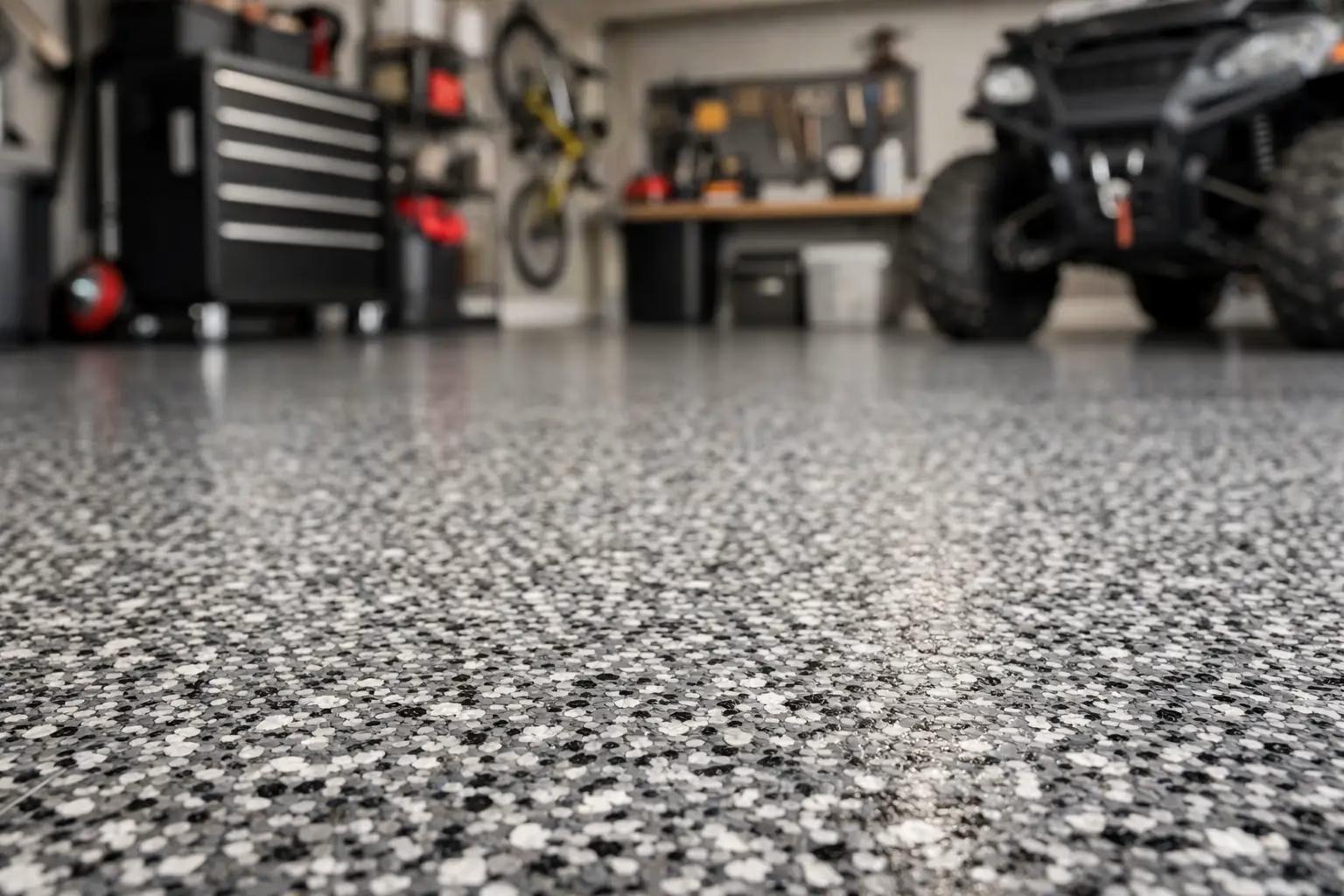
A full-flake garage floor is a decorative broadcast coating system. After the concrete has been prepared and repaired, a base coat is applied and decorative vinyl flakes are broadcast across the entire floor until the wet coating will not accept any more. This is called a full broadcast, and it creates the dense, textured appearance people associate with a professionally finished garage.
Once the base layer cures, loose flakes are scraped and removed. We then apply clear protective topcoats that lock the flakes in place, add depth, and create a smooth, easy-to-clean finish. The finished floor has variation in color and texture, which helps disguise dust, small debris, and the everyday marks that show up quickly on a solid-color surface.
The flakes are not merely decoration. A full broadcast layer contributes to the system’s thickness and helps create a practical finish with more visual depth than painted concrete. Whether you prefer a light, clean blend that brightens the garage or a darker mix that minimizes the appearance of tire dust, the floor can complement the rest of your space.
Why Homeowners Choose the Full-Flake Finish
The garage is often the hardest-working room in the house, even when it is not treated that way. Tires bring in water, grit, and winter salt. Lawn equipment leaks fuel or oil. Shelving and storage units leave scuffs. Bare concrete absorbs spills and produces dust that follows you into the house.
A full-flake coating addresses these frustrations without requiring a delicate floor. Its non-porous protective layers make routine cleanup much simpler than cleaning exposed concrete. Most dirt, salt residue, and spills can be removed with a soft broom, a mop, and a mild cleaner. There are no raw concrete pores waiting to hold onto stains.
The appearance matters, too. Full-flake finishes make a garage feel intentional. They pair naturally with cabinets, slatwall, overhead storage, and a well-planned work area. For homeowners who want their garage to function as vehicle storage, a workshop, and an organized entry point, the floor sets the standard for the entire transformation.
The Floor Is Only as Good as the Preparation
A coating can only bond as well as the concrete beneath it. This is where professional installation separates a long-lasting floor from one that peels, chips, or develops hot-tire pickup soon after installation.
Before coating begins, we inspect the slab for cracks, pitting, spalling, old coatings, oil contamination, and moisture-related concerns. Cracks and damaged areas are repaired with materials selected for the condition of the concrete. The floor is then mechanically prepared to create the right surface profile for bonding. This process removes weak surface material and opens the concrete so the coating can become part of the substrate rather than simply sitting on top of it.
Skipping preparation is the common failure point in do-it-yourself kits and low-cost coating work. Acid etching, quick cleaning, or coating over damaged concrete may save time at the start, but it does not produce the same dependable bond as professional mechanical preparation. If a floor has old paint, an existing epoxy coating, heavy tire residue, or visible deterioration, that extra preparation is especially important.
Why We Do Not Rely on Conventional Epoxy
Epoxy has a long history in garage flooring, and it helped introduce homeowners to the idea of coating concrete. But conventional epoxy is not our preferred solution for a demanding garage. It can yellow or discolor with UV exposure, takes longer to cure, and may be more vulnerable to hot-tire pickup and moisture-related issues when preparation or application conditions are not ideal.
Our FloorX2 Fusion+Nano® systems use advanced polyaspartic and nanospartic coating technology. These materials are designed for faster cure times, strong adhesion, excellent resistance to staining and abrasion, and better UV stability than traditional epoxy. That means the floor is better suited to real garage conditions, including vehicle traffic, sunlight entering through an open door, and seasonal temperature swings.
For homeowners in areas with freeze-thaw weather, this performance matters. Concrete expands and contracts, road salt gets tracked inside, and moisture can challenge weak coatings. A professional system cannot stop concrete from moving, but it can provide far more durable protection than a basic roll-on product when the slab is correctly repaired and prepared.
What the Installation Process Looks Like
A full-flake garage floor should feel like a straightforward upgrade, not a prolonged renovation. After your consultation and quote, our team confirms the condition of your concrete and the finish that best suits your garage. On installation day, we prepare the floor, repair qualifying damage, apply the coating system, broadcast the flakes, and install the protective topcoat layers.
Many residential projects can be completed in one day, depending on the floor size, concrete condition, repair needs, and site conditions. Fast installation is valuable, but it should never mean rushing the parts that determine performance. The goal is to return your garage to service quickly with a coating system built for the long term.
There are trade-offs to consider. A heavily damaged slab may need more extensive repair before coating. Moisture concerns can require a different approach than a dry, sound concrete floor. And while a full-flake finish hides everyday dust better than a single-color coating, textured decorative flakes are not a substitute for regular sweeping. These are normal considerations, and a professional assessment helps set accurate expectations before work begins.
Choosing a Flake Color That Works in Your Garage
The best flake blend depends on how you use the space and the amount of natural light it receives. Lighter blends can make a smaller garage feel more open and reflect more light around cabinets and workbenches. Mid-tone blends are versatile and often conceal routine dust and debris well. Darker blends create a bold look, but can show pale salt residue more noticeably during winter.
Think about the rest of the garage, not just the floor sample. White cabinets, gray slatwall, black storage systems, and stainless work surfaces can all influence which blend looks most cohesive. If you are planning a larger garage organization project, choosing the floor finish early helps the space feel coordinated rather than pieced together.
Care for a Full-Flake Garage Floor
A professionally coated floor is low maintenance, not no maintenance. Sweep away abrasive grit regularly, especially after winter driving or yard work. For deeper cleaning, use water with a pH-neutral cleaner and a soft mop or floor scrubber. Address oil, brake fluid, and chemical spills promptly, even though the protective topcoat is designed to resist staining.
Avoid harsh acids, aggressive solvents, and steel tools that can scratch the surface. Use protective pads under very heavy equipment when it will remain in one place for long periods. These simple habits preserve the clear topcoat and keep the floor looking finished year after year.
Our FloorX2 Fusion+Nano® system is backed by our 15-year all-inclusive transferable guarantee, giving homeowners a level of protection that basic coatings and DIY kits simply do not provide.
A garage floor should not be the unfinished part of an otherwise well-kept home. Use our Floor Visualizer to see how a full-flake finish could look in your space, or request a free estimate and let our team assess your concrete, repair needs, and best flooring options.