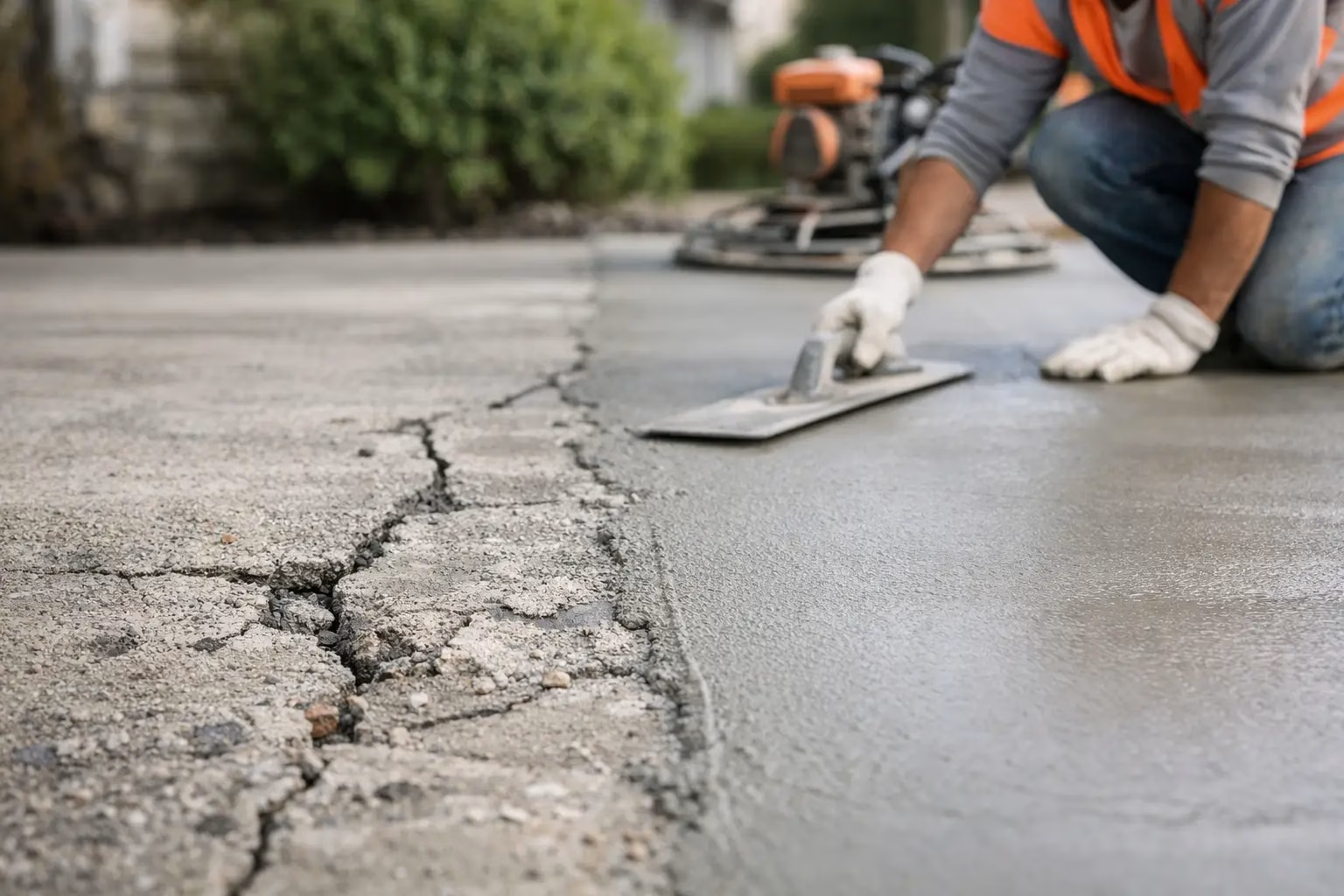
A garage floor rarely fails all at once. It starts with a few hairline cracks near the door, a dark oil stain under the vehicle, or small pits that catch dirt every time you sweep. Then winter moisture, road salt, hot tires, and daily traffic make the surface harder to clean and less attractive. Knowing when should concrete be resurfaced helps you address damage while the slab is still a strong foundation for a long-lasting new floor.
Resurfacing is not a one-size-fits-all fix. Some floors need crack repair and a protective coating. Others need localized concrete restoration before coating. A slab with serious movement or structural failure may need a different solution entirely. The right answer depends on what caused the damage, how deep it goes, and whether moisture is affecting the concrete from below.
When Should Concrete Be Resurfaced? Look for These Signs
Concrete should be resurfaced when its appearance, cleanability, or surface strength has declined, but the slab itself remains stable. Waiting until damage spreads usually increases the repair work required and limits your finish options.
1. The surface is pitted, spalled, or flaking
Spalling occurs when the top layer of concrete breaks away. You may see rough patches, small craters, exposed aggregate, or peeling areas near the garage entrance. In colder climates, freeze-thaw cycles and de-icing salts are frequent contributors. Water enters small pores or cracks, expands as it freezes, and gradually breaks down the surface.
Minor to moderate spalling can often be repaired successfully. The damaged material must be mechanically removed, the area rebuilt with the appropriate repair material, and the entire slab prepared before a protective floor system is installed. Simply rolling a paint-like product over flaking concrete does not solve the problem. The weak layer underneath can continue to fail and take the new finish with it.
2. Cracks are visible but not actively moving
Hairline cracks and stable shrinkage cracks are common in garage slabs. Concrete naturally contracts as it cures, and years of temperature changes can make these lines more noticeable. If the crack is stable, clean, and not caused by slab movement, professional crack repair followed by resurfacing can restore a clean, finished appearance.
The key word is stable. A crack that is widening, offset from one side to the other, or paired with a sinking section of floor may indicate a larger issue with the base beneath the concrete. Resurfacing can improve the surface, but it cannot correct ongoing structural movement. We assess these conditions before recommending a floor system.
3. Oil, chemicals, and tire marks will not clean away
Bare concrete is porous. Oil, gasoline, brake fluid, fertilizer, road salt, and household chemicals can soak below the surface instead of staying on top where they can be wiped up. Old stains are more than a cosmetic annoyance. They may interfere with coating adhesion if not properly removed during preparation.
When repeated cleaning no longer improves the look of the floor, resurfacing is often the practical next step. Proper diamond grinding opens the concrete surface and removes contamination at the top layer. After preparation and repair, a high-performance coating creates a nonporous finished surface that is much easier to maintain.
4. Dust keeps returning after you sweep
A dusty garage floor is often a sign that the concrete surface is wearing away. As weak or unprotected concrete breaks down, it releases fine powder that collects on vehicles, storage bins, tools, and shoes. This is especially frustrating in garages used as workshops, home gyms, or organized storage spaces.
Concrete dusting does not always mean the slab is beyond repair. In many cases, professional preparation and a properly bonded coating system can seal the surface and stop the constant cycle of sweeping. This turns the garage from a space you avoid into one that is easier to use every day.
5. The floor absorbs water quickly
Try placing a small amount of water on a clean section of concrete. If it darkens the slab and absorbs quickly, the floor is highly porous. Porosity alone is not necessarily damage, but it leaves the concrete exposed to moisture, stains, and contaminants.
A resurfacing project should include moisture testing, not guesswork. Moisture vapor moving through a concrete slab can cause some conventional coatings to blister, peel, or delaminate. That is why surface preparation, moisture evaluation, and material selection matter as much as the color or flake blend you choose.
6. An old coating is peeling or yellowing
Many garages have older epoxy coatings that once looked good but now show peeling edges, hot-tire pickup, yellowing, or worn traffic paths. Epoxy has a long history in concrete coatings, but conventional epoxy can be vulnerable to UV discoloration and slower cure times. It may also struggle when poor preparation or moisture conditions are involved.
Peeling coating is a clear reason to resurface, but the failed material cannot be covered without removing it. The floor must be mechanically ground to create a sound profile for the next system. At Garage Floors 4 Less, we use FloorX2 Fusion+Nano® polyaspartic and nanospartic systems designed for UV stability, rapid curing, hot-tire resistance, and demanding freeze-thaw conditions. The best epoxy for your garage is not epoxy.
7. You want to use the garage as finished space
Sometimes the concrete is not severely damaged, but the space no longer matches how you use it. If your garage doubles as a workshop, fitness area, vehicle showroom, storage center, or extension of the home, bare gray concrete can feel unfinished and difficult to maintain.
Resurfacing makes sense before you add cabinets, slatwall, overhead storage, or expensive equipment. A full-flake broadcast floor provides a clean, durable base that stands up to everyday traffic while giving the room a more intentional appearance. It also makes future cleaning far easier than trying to maintain raw concrete around installed storage systems.
When Resurfacing Is Not the First Step
There are situations where resurfacing should wait. If you have major slab settlement, large vertical displacement at cracks, persistent water intrusion, or concrete that is crumbling deeply throughout the slab, the underlying cause needs attention first. A coating system is a protective finish, not a structural repair method.
Likewise, active moisture problems should be evaluated before selecting a floor finish. Water entering through foundation walls, poor exterior drainage, or a failed vapor barrier can require a broader moisture-management plan. A professional consultation helps separate surface-level damage from conditions that need additional work.
What Professional Concrete Resurfacing Should Include
A durable result begins below the visible finish. The process should start with an assessment of the slab, including cracks, spalling, contamination, prior coatings, and moisture conditions. From there, damaged areas are repaired and the floor is mechanically prepared by diamond grinding. This creates the proper concrete profile for adhesion while removing weak surface material.
For garage floors, a multi-layer system offers more protection than a thin roll-on coating. Our FloorX2 Fusion+Nano® system combines advanced polyaspartic and nanospartic technology with a full-flake broadcast finish. The result is a floor built for vehicle traffic, hot tires, spills, abrasion, and the seasonal moisture that bare concrete absorbs.
Fast installation matters, but it should never replace preparation. A professionally prepared system can often be installed in one day, allowing you to get your garage back quickly without accepting the compromises of a DIY kit. Our 15-year all-inclusive transferable guarantee adds meaningful confidence because it covers the complete installed system, not just a container of coating.
Repair Now or Wait? Consider the Cost of Delay
Small cracks and surface pits are generally easier to repair than widespread spalling and failed coatings. Delaying the project can allow water, salt, and contaminants to penetrate farther into the slab. That can lead to more extensive preparation, more repair material, and a less predictable surface condition.
That said, resurfacing too early is not always necessary. A sound, clean slab with only light cosmetic marks may only need regular cleaning and monitoring. The best time to move forward is when damage is affecting the way the space looks, cleans, or performs, and before the concrete deterioration becomes extensive.
If your floor is beginning to pit, stain, dust, crack, or peel, use our Floor Visualizer to see what a finished garage could look like, or request a free estimate for a professional assessment. The right repair and coating system can protect the concrete you have and make the whole garage more useful from the day it is installed.