A garage floor can look worn out long before the concrete slab has reached the end of its useful life. Oil spots, road salt residue, hairline cracks, pitted areas, and peeling old coatings make the room harder to clean and less enjoyable to use. Professional floor resurfacing addresses the condition beneath the surface, then adds a protective finish that can stand up to vehicles, tools, moisture, and everyday traffic.
The difference is not simply a fresh color. A quality resurfacing project repairs vulnerable concrete, improves how the floor performs, and turns an unfinished garage, basement, workshop, or commercial space into an area that feels intentional. The system matters, but so does the preparation underneath it.
What Floor Resurfacing Actually Includes
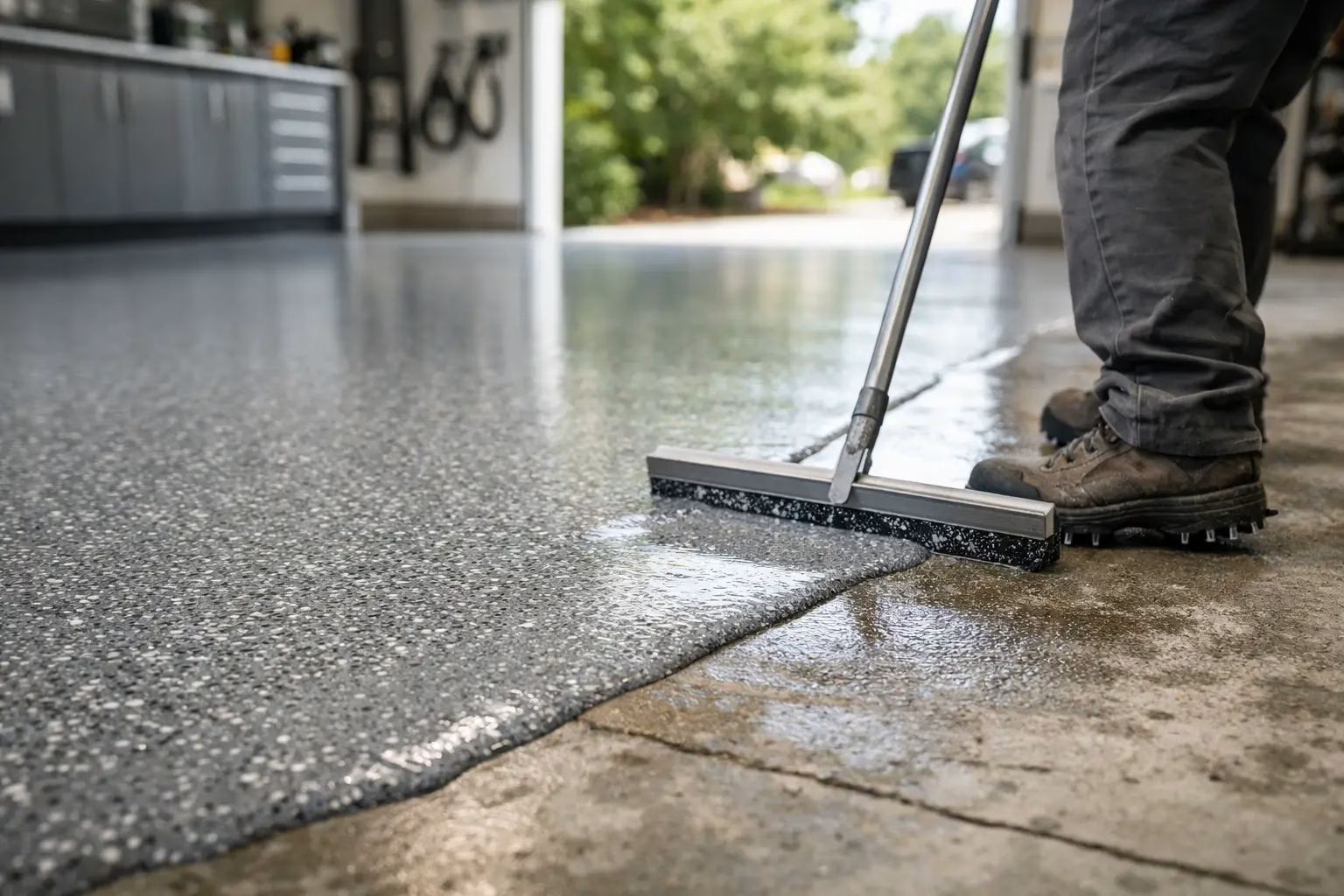
Floor resurfacing is the process of restoring a concrete slab and applying a new protective surface. Depending on the condition of the concrete, that may involve repairing cracks, filling pits, rebuilding spalled areas, removing failed coatings, mechanically grinding the slab, and installing a multi-layer coating system.
This is why resurfacing is different from painting concrete or rolling on a bargain DIY epoxy kit. Concrete is not a clean, uniform canvas. It can hold moisture, contaminants, weak surface paste, and hidden damage that prevents a coating from bonding properly. If those issues are covered instead of corrected, the new finish may blister, peel, or wear through prematurely.
For many homeowners, the best time to resurface is before the floor becomes a larger repair project. Small cracks and isolated pitting are manageable when treated correctly. Neglected salt damage, moisture exposure, and delaminating coatings can eventually leave larger sections of the slab vulnerable.
Signs Your Concrete Floor Needs Resurfacing
A few stains do not automatically mean a floor needs a full coating system. But visible wear can tell you a great deal about the slab’s condition. Crumbling edges, rough aggregate showing through, surface flaking, cracks that collect dirt, and old epoxy that is lifting from the concrete are all signs that the floor needs more than routine cleaning.
Hot-tire pickup is another common frustration in garages. This happens when a coating softens or loses adhesion under warm vehicle tires, pulling material away from the concrete. It is especially disappointing when a floor was coated recently and looked good at first. The problem often points to an unsuitable material, poor substrate preparation, or both.
In Canadian climates, freeze-thaw cycles, de-icing salt, tracked-in water, and winter grit add another layer of stress. A garage floor needs a finish that can handle seasonal exposure without becoming the weak link in the space.
The Preparation Determines the Result
The most attractive coating will not compensate for inadequate surface preparation. Before a new floor system is installed, our team evaluates the slab for cracks, spalling, moisture concerns, old coatings, and contamination. Each issue calls for the right repair method before the coating process begins.
Mechanical diamond grinding is central to professional preparation. Rather than relying on an acid wash or a quick cleaning pass, grinding removes weak concrete and opens the surface profile needed for a strong mechanical bond. It also helps remove old failed materials and surface contaminants that can interfere with adhesion.
Cracks and damaged areas are then repaired with materials selected for the application. Hairline cracks may still show slight movement over time because concrete moves, so no reputable installer should promise that every crack will disappear forever. The goal is a clean, stable, protected surface that performs well under real garage conditions.
A professional crew also controls dust, protects adjacent areas, and follows a defined installation sequence. That disciplined process is one reason a professionally resurfaced floor typically outperforms a coating applied over minimally prepared concrete.
Why Epoxy Is Not Always the Best Resurfacing Choice
Epoxy has a long history in concrete coatings, and it can be appropriate for some controlled interior applications. However, conventional epoxy is not our preferred solution for garage floor resurfacing. It is more prone to yellowing from UV exposure, can take longer to cure, and may be more vulnerable to hot-tire pickup than advanced alternatives.
At Garage Floors 4 Less, we use FloorX2 Fusion+Nano® systems designed around polyaspartic and nanospartic coating technology. These high-performance layers provide fast cure times, strong adhesion, UV stability, and resistance to moisture, stains, and daily wear. For homeowners who want their garage back quickly, this can mean professional installation in as little as one day rather than waiting through a long curing process.
Material selection still depends on the space. A sunlit patio, a vehicle-heavy garage, a basement, and a commercial shop do not have identical demands. That is why a floor should be specified according to traffic, moisture exposure, temperature changes, appearance goals, and the condition of the existing slab.
Full-Flake Finishes Make Wear Less Visible
A full-flake broadcast system is a popular choice because it combines practical durability with a finished, high-end appearance. Decorative flakes are broadcast across the base layer until the surface is fully covered, then sealed with protective topcoats. The result is a textured, multi-tonal floor that helps disguise dust, minor debris, and everyday marks better than a single solid color.
The texture can also improve traction, although no floor is completely slip-proof when wet. The right topcoat and finish profile should be selected for how the space will be used. A showroom may prioritize a different appearance than a busy garage where snow, rain, and salt are regularly brought inside.
Beyond appearance, a properly finished floor is easier to maintain. Instead of dust lodging in raw concrete pores or oil soaking into the slab, most dirt and spills can be swept up or cleaned with a mild cleaner and water. Avoid harsh chemicals or abrasive tools unless your installer has confirmed they are suitable for the specific coating.
What Resurfacing Can and Cannot Fix
Floor resurfacing is an excellent solution for many stained, cracked, pitted, or unattractive slabs, but it is not a cure for every structural issue. If a slab has severe movement, active water intrusion, major settling, or widespread structural failure, those conditions need to be assessed before a coating is installed.
The same is true for moisture. A protective coating is not a substitute for correcting drainage issues, plumbing leaks, or persistent water entering through the foundation. A professional assessment identifies whether the slab is a good candidate for resurfacing and whether repairs or moisture mitigation should happen first.
For sound concrete with surface-level deterioration, though, resurfacing can be a much smarter investment than replacement. Tearing out and repouring a slab is disruptive, costly, and often unnecessary when the existing concrete can be repaired and protected.
A Better Garage Starts at the Floor
Once the floor is restored, the entire garage becomes easier to use. A clean, durable surface supports a more organized space for vehicles, sports equipment, tools, storage, and hobbies. It also creates a stronger foundation for cabinets, slatwall, and overhead storage when a complete garage transformation is the goal.
Our FloorX2 system is backed by a 15-year all-inclusive transferable guarantee, giving homeowners confidence that their investment is built for long-term performance. The value is not just in a better-looking floor on installation day. It is in avoiding the peeling, staining, and ongoing frustration that often comes with bare concrete or inferior coatings.
If your garage floor has become the part of the home you avoid showing, try our Floor Visualizer to explore finish options or request a free estimate. The right resurfacing plan can turn damaged concrete into a surface you are proud to park on, work on, and live with every day.