A garage floor can look great the day an epoxy kit is rolled on, then tell a different story after a few winters, hot tires, road salt, and oil drips. So, is polyaspartic better than epoxy? For most residential garages, the answer is yes – particularly when the coating is professionally installed over properly prepared concrete.
Epoxy earned its reputation because it was a major improvement over bare concrete. It can create a hard, attractive surface and remains useful in certain controlled environments. But garages are not controlled environments. They see temperature swings, moisture, vehicle traffic, de-icing salts, dropped tools, and direct sunlight through open doors. That is where advanced polyaspartic and nanospartic systems have a clear performance advantage.
At Garage Floors 4 Less, we use our FloorX2 Fusion+Nano® system to give homeowners a floor that is built for real garage use, not just a good first impression.
Is Polyaspartic Better Than Epoxy in a Garage?
For a garage, polyaspartic is generally the better choice because it cures faster, stays more stable under UV exposure, handles hot tires more reliably, and performs better through changing seasonal conditions. It also allows us to complete many full-flake garage floors in one day, so your space is back in service quickly.
That does not mean every product labelled polyaspartic is automatically superior. Material quality, concrete condition, moisture conditions, surface preparation, and installation technique all matter. A premium coating installed on poorly prepared concrete can still fail. The best floor system is not simply a can of coating – it is the entire process underneath and above it.
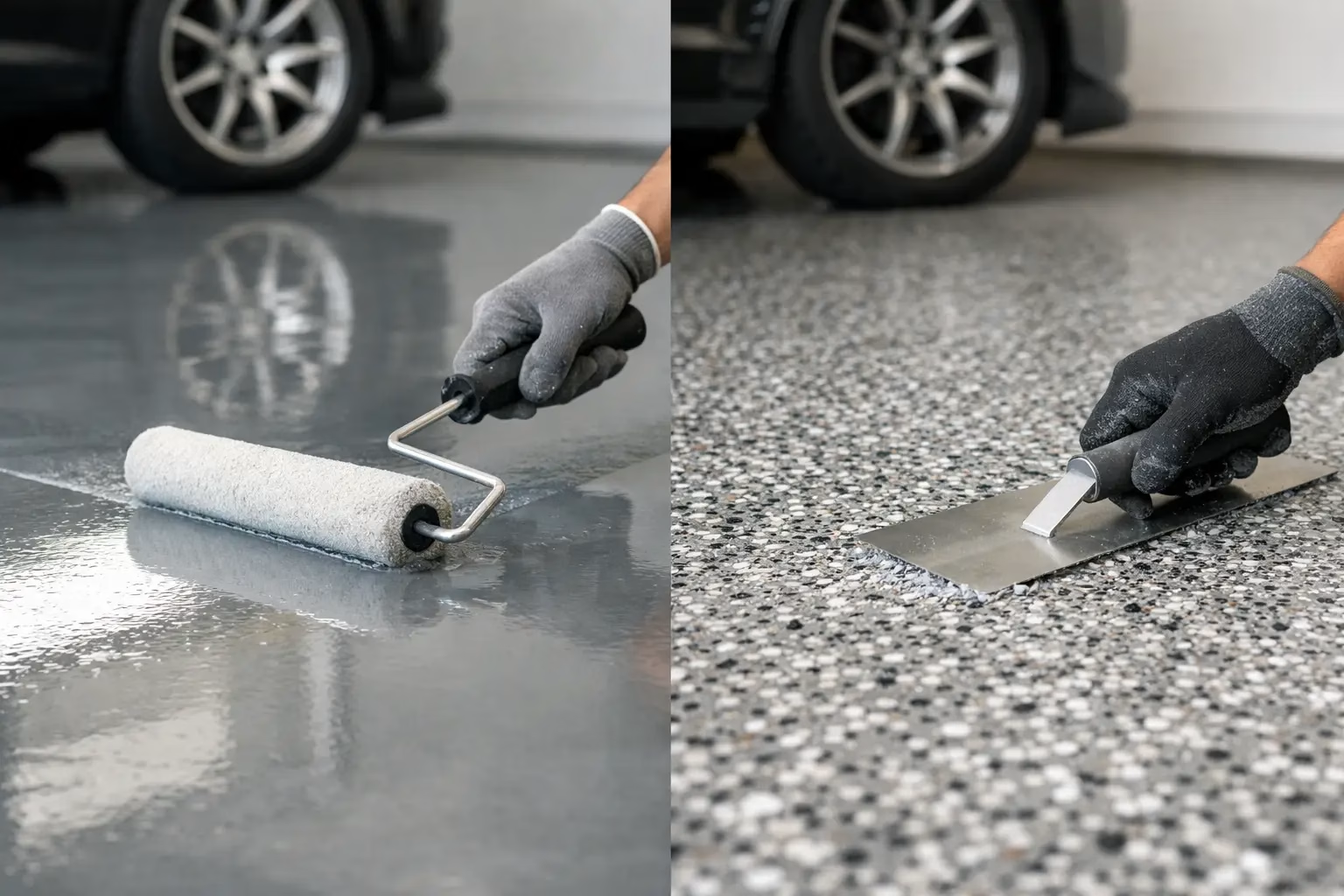
Our approach starts with professional diamond grinding to open the concrete surface and remove weak material. We repair cracks, pits, spalling, and damaged areas before the coating goes down. Then, multiple coating layers and a full-flake broadcast create a finished surface designed to protect the slab while dramatically improving the look of the garage.
Where Conventional Epoxy Falls Short
Epoxy is a proven coating chemistry, but conventional epoxy has limitations that become obvious in garages and other concrete-slab spaces.
Slower cure times
Traditional epoxy often requires several days from installation to full return to service. That can mean keeping vehicles, storage items, and family activity out of the garage for longer than most homeowners expect. Polyaspartic coatings cure much faster, which is why a professional system can often be installed in one day.
Fast curing is not only about convenience. It also reduces the amount of time a newly coated floor is exposed to dust, insects, changing weather, and accidental foot traffic during installation.
UV yellowing and discoloration
Many conventional epoxies can amber or yellow when exposed to sunlight. This is especially noticeable near garage doors, windows, walkout basements, and patios. A floor may start with a clean, consistent color and develop a noticeable contrast between sun-exposed and shaded areas.
Polyaspartic topcoats offer much stronger UV stability. That helps preserve the intended color and flake blend, even in garages that spend hours open to daylight during the warmer months.
Hot-tire pickup risk
Hot-tire pickup is one of the frustrations homeowners most often associate with low-grade epoxy floors. Tires heat up during driving, then transfer that heat and pressure to the coating when the vehicle is parked. If the coating has weak adhesion, poor chemistry, or an improperly prepared substrate, the finish can soften, lift, or peel.
A professionally installed polyaspartic system is designed for the pressure and heat of normal vehicle use. Proper grinding and crack repair remain essential, but the finished system offers a stronger answer to the hot-tire problem than a typical DIY epoxy coating.
Seasonal movement and moisture stress
Concrete is not static. It expands and contracts, absorbs moisture, and reacts to the changing conditions around it. In regions with freeze-thaw cycles, road salt, slush, and wet vehicles can add another layer of stress to a garage floor.
Polyaspartic and nanospartic systems are well suited to these demanding conditions when installed over a properly assessed slab. They create a protective, easy-to-clean surface that helps keep moisture, salt residue, oil, and everyday grime from becoming permanent concrete problems.
Why the Floor System Matters More Than the Label
The word “polyaspartic” has become popular, and for good reason. Still, it should not be treated as a shortcut around professional installation. A durable garage floor depends on what happens before the topcoat is applied.
Concrete preparation is the foundation of performance. We mechanically grind the surface rather than relying on acid etching or quick chemical prep. Grinding creates the surface profile needed for a strong bond while removing weak concrete, old coatings, contaminants, and surface imperfections.
Damaged concrete also needs attention before it is covered. Cracks, pitting, spalling, and chipped areas do not disappear just because a coating is applied over them. Repairing those areas first creates a cleaner finished appearance and helps prevent flaws from telegraphing through the new floor.
Our FloorX2 Fusion+Nano® system combines advanced coating technology with a full-flake broadcast finish. The flakes add more than visual appeal. They help create a textured, multi-dimensional surface that hides dust and minor debris better than a solid-color floor while delivering a polished, showroom-style appearance.
Polyaspartic vs. Epoxy: What Homeowners Notice Most
The technical differences matter, but the real value is how the floor changes daily life in the garage.
A coated floor is easier to sweep and clean than bare concrete. Oil drips, salt residue, dirt, and minor spills are less likely to soak into the slab and become stubborn stains. Instead of looking down at dark tire marks, dust pockets, and deteriorating concrete, homeowners get a finished surface that makes the entire garage feel more intentional.
That visual improvement also supports better use of the space. A clean floor makes it easier to organize bikes, tools, seasonal items, and vehicle-care equipment. When paired with cabinets, slatwall, or overhead storage, the garage can become a functional extension of the home rather than a catch-all storage area.
For commercial garages, workshops, showrooms, and warehouses, the priorities are similar but more demanding. Fast installation can reduce downtime, while abrasion resistance, easier cleanup, and a professional appearance help support daily operations. The right system should be matched to traffic levels, substrate condition, moisture exposure, and the work being done in the space.
When Epoxy May Still Have a Role
Epoxy is not obsolete. It can still make sense in some interior, low-UV, carefully controlled applications where extended cure time is acceptable and budget is the overriding concern. It may also be used as part of a multi-layer professional coating system rather than as a standalone topcoat.
But for a typical garage, basement entry, patio-adjacent space, or workshop floor, conventional epoxy is rarely our first recommendation. Homeowners want a floor that resists yellowing, handles vehicle use, cures quickly, and stays attractive through years of real-world wear. That is why the best epoxy for your garage is not epoxy.
A Better Garage Floor Starts With the Concrete You Have
Before choosing a color blend or finish, start with an honest assessment of the slab. Is there moisture coming through the concrete? Are cracks widening? Is the surface flaking from salt damage? Has a previous DIY coating begun to peel? Those answers determine the preparation and repair work needed for a floor that lasts.
Our FloorX2 Fusion+Nano® system is backed by our 15-year all-inclusive transferable guarantee, giving homeowners confidence that the floor is designed as a long-term upgrade rather than a short-term cover-up. It is a value-focused investment in a space that works harder every season.
If you are tired of stained, cracked, or peeling garage concrete, try our Floor Visualizer to see what a finished floor could look like in your space, or request a free estimate from our team.