A garage floor can look dry for months and still contain enough moisture vapor to compromise a coating system. That is why garage floor moisture testing is not a box to check after the color and flake blend are chosen. It is part of determining whether your concrete is ready for long-term protection.
Moisture-related coating failure is frustrating because it often appears after the project seems complete. Blisters, peeling areas, cloudy spots, or a coating that releases from the slab are not just cosmetic problems. They are signs that moisture pressure or poor concrete conditions were not properly addressed before installation. At Garage Floors 4 Less, we evaluate the slab first so the finished floor has the preparation and system behind it to perform.
Why Garage Floor Moisture Testing Matters
Concrete is porous. Moisture from the soil below the slab can move upward as vapor, while water from snow-covered vehicles, rain, spills, poor drainage, or an active crack can enter from above. In colder regions, freeze-thaw cycles can add another layer of stress by widening cracks and exposing weak concrete to more moisture.
A coating creates a protective layer on the surface, but it cannot make a wet or unstable slab behave like dry, sound concrete. If vapor pressure beneath the coating exceeds what the system can tolerate, it may push against the bond between the coating and the concrete. The result can be bubbling, delamination, or peeling that looks very similar to a bad DIY epoxy job.
Moisture testing helps separate a manageable condition from a serious warning sign. It also helps determine whether a moisture-mitigation step, concrete repair, drainage correction, or a different coating approach is needed. The right answer depends on the slab, not a one-size-fits-all product claim.
The Difference Between Wet Concrete and Moisture Vapor
Visible water is easy to recognize. A dark patch after rain, a puddle under a vehicle, or water entering at the garage door points to a surface-water issue that should be corrected. Moisture vapor is different. It can travel through a slab even when the surface looks clean, dry, and ready for a coating.
That distinction matters because a homeowner may reasonably assume that a dry-looking garage floor is safe to coat. Sometimes it is. But appearance alone cannot confirm the vapor condition within the concrete or beneath it. A professionally prepared floor begins with assessing the concrete, its history, and the environment around it.
New concrete deserves particular caution. A fresh slab may look cured long before it has reached the moisture condition required by a specific coating system. Older garages can also show elevated readings due to a missing or damaged vapor barrier, changes in landscaping, drainage issues, or cracks that have developed over time.
Common Signs That Call for Testing
Testing is especially worthwhile when you see recurring white powdery residue, darkened concrete, peeling paint or old epoxy, blistered coatings, persistent musty odors, or water near walls and door openings. Efflorescence, the white mineral deposit left as moisture moves through concrete, is a useful clue that the slab has a moisture pathway.
A garage floor with cracks, pitting, spalling, or previous coating failure also needs close evaluation. These conditions do not automatically rule out a high-performance floor. They do mean surface preparation and repair cannot be treated as an afterthought.
Which Moisture Tests Are Used for Garage Floors?
There is no single test that answers every moisture question. The coating manufacturer’s requirements, the age and condition of the slab, and whether the space is residential or commercial all influence the testing plan.
Relative Humidity Testing
In-situ relative humidity testing measures moisture conditions within the concrete slab. Small test holes are drilled to a specified depth, probes are placed, and the readings are allowed to stabilize. This method provides useful insight into the moisture that may move toward the surface after the coating is installed.
Relative humidity testing is often valuable for slabs with a history of coating issues, newly poured concrete, or conditions that suggest moisture is coming up from below. It is also a more meaningful evaluation than simply touching the slab or judging it by color.
Calcium Chloride Testing
A calcium chloride test measures the moisture vapor emission rate from the surface over a defined period. It can help quantify how much vapor is leaving the slab under the test conditions.
This test may be appropriate where the specified coating system uses it as part of its installation criteria. It is not interchangeable with every other test, and a result should always be interpreted against the product requirements. A number without context does not tell the full story.
The Plastic Sheet Test
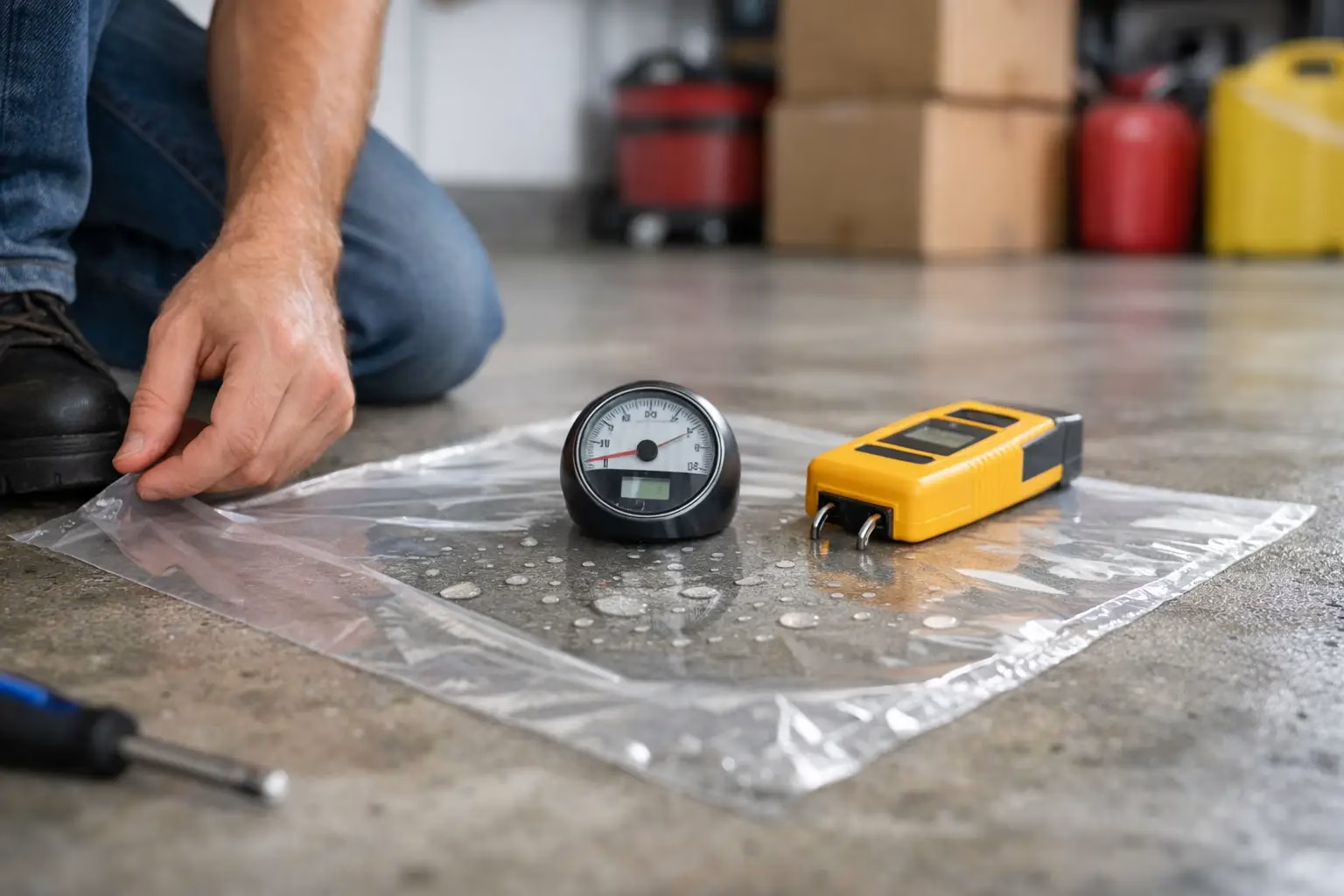
Homeowners sometimes tape a clear plastic sheet tightly to the concrete and check for condensation or darkening beneath it. This can be a quick screening tool, but it is not a reliable approval test for a professional coating installation.
A negative result does not prove the concrete has acceptable moisture levels, and a positive result does not identify the source of the moisture. It can still be useful as an early warning, particularly if condensation appears quickly, but it should not replace a proper assessment before investing in a new garage floor.
What We Check Beyond Moisture Readings
Moisture is only one part of a concrete evaluation. Before coating a garage floor, we also look for contamination from oil, road salt, tire residue, sealers, curing compounds, and prior coatings. Each can interfere with adhesion if it is not removed correctly.
We inspect cracks to determine whether they are stable and repairable or whether they may indicate movement or water intrusion that needs a different solution. We also assess spalling and weak surface concrete. A coating bonded to deteriorating concrete is only as strong as the concrete underneath it.
Mechanical surface preparation is critical here. Grinding creates the right profile for a coating system to bond to the concrete while removing weak material and contaminants. It is one of the biggest differences between a professional installation and a roll-on coating kit that relies on light acid etching or minimal preparation.
What Happens If Moisture Is Too High?
High moisture does not always mean you cannot improve your garage floor. It means the installation plan needs to account for the condition rather than cover it up.
First, the source should be considered. Surface water may call for changes to exterior grading, door seals, downspouts, or drainage. A crack admitting water may need repair before coating. If moisture vapor from below the slab is the concern, an appropriate moisture-control system may be needed before the decorative coating layers are installed.
The trade-off is straightforward: addressing moisture properly may add preparation steps, but skipping those steps can turn a floor upgrade into an expensive redo. A contractor who promises to coat every slab immediately without evaluating existing conditions is asking you to accept unnecessary risk.
Why Advanced Coatings Still Need Proper Preparation
Epoxy has a long history in garage flooring, but conventional epoxy is not the best answer for every garage. It can yellow with UV exposure, may take longer to cure, and can be more vulnerable to hot-tire pickup and the temperature swings that challenge concrete floors.
Our FloorX2 Fusion+Nano® polyaspartic and nanospartic systems are designed for faster installation, UV stability, hot-tire resistance, and demanding freeze-thaw conditions. A full-flake broadcast finish also creates a clean, finished appearance that helps disguise everyday dust and minor marks while making the floor easier to maintain.
Even the best coating technology cannot compensate for poor slab preparation. Moisture testing, concrete repair, mechanical grinding, and system selection work together. That is how we can offer our 15-year all-inclusive transferable guarantee on qualifying FloorX2 installations.
When to Schedule a Professional Evaluation
If your garage has peeling old epoxy, visible efflorescence, recurring dampness, damaged concrete, or a slab that has never been professionally assessed, schedule the evaluation before choosing colors or finishes. It is also smart to test before coating a basement, workshop, showroom, warehouse, or commercial garage, where moisture-related downtime can be especially costly.
A properly evaluated floor gives you clearer expectations, a more durable installation, and fewer surprises after the vehicles, tools, storage cabinets, and daily traffic return. Try our Floor Visualizer to explore the look you want, then request a free estimate so we can assess your concrete and recommend the right path forward.