A garage is often the hardest-working room in the house and the least finished. It catches road salt, melting snow, oil drips, wet boots, heavy tools, and the daily wear of vehicles rolling in and out. A professional garage floor transformation changes that equation, turning worn concrete into a clean, durable surface that is easier to maintain and far more enjoyable to use.
The difference is not simply a new color. Lasting results depend on repairing the concrete properly, preparing the slab mechanically, and choosing a coating system built for real garage conditions. That is where a professionally installed polyaspartic and nanospartic floor system earns its value.
What a Garage Floor Transformation Should Solve
Bare concrete is porous. It absorbs fluids, collects dust, and can develop stains that are nearly impossible to remove. In colder climates, moisture and freeze-thaw cycles can worsen small cracks, pitting, and surface spalling over time. A floor may still be structurally sound, yet look neglected and feel difficult to keep clean.
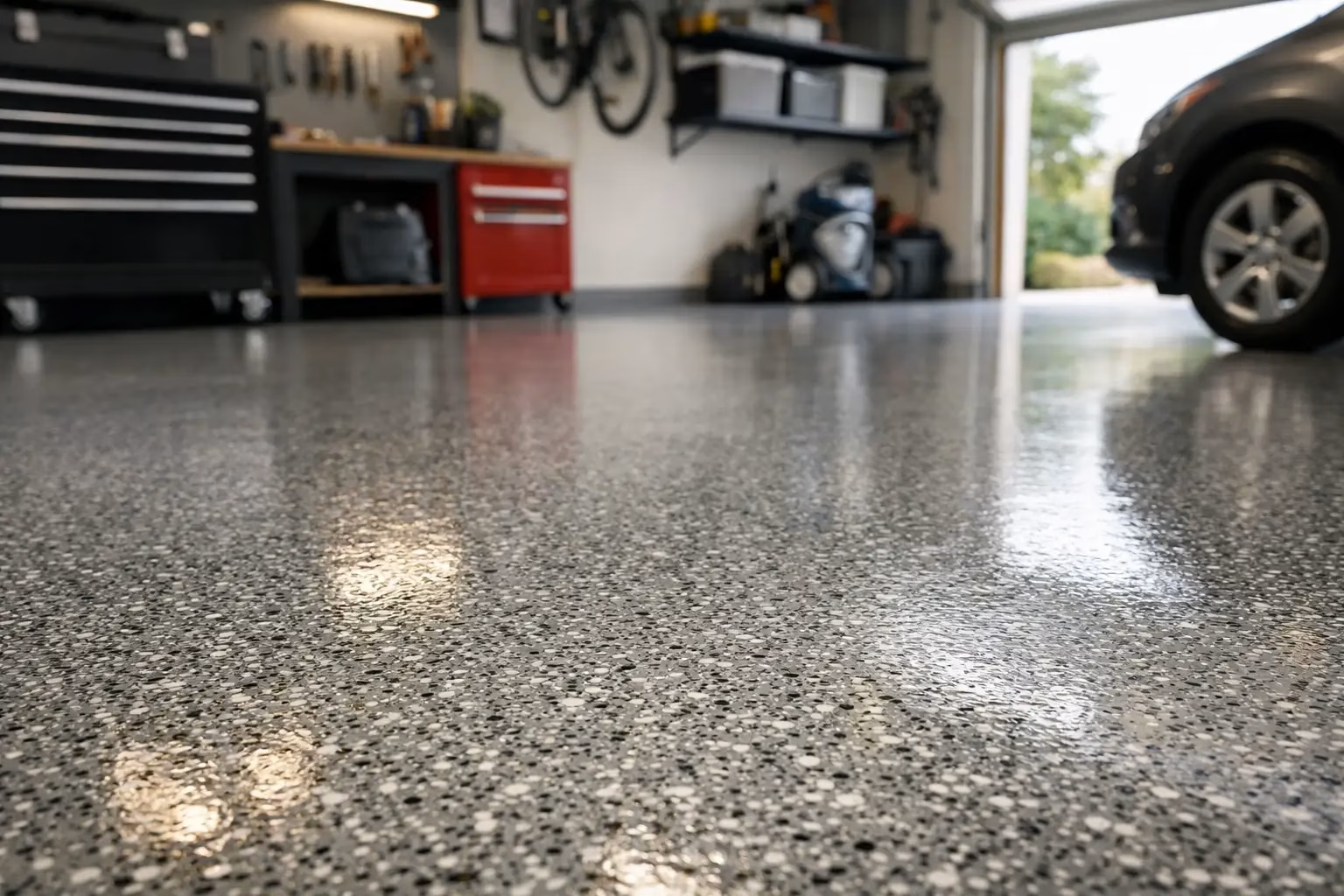
The right coating system protects the slab while improving how the whole garage functions. Instead of sweeping concrete dust into corners or scrubbing at old tire marks, homeowners gain a sealed surface that can be cleaned quickly. A full-flake broadcast finish also helps conceal everyday dust and minor debris better than plain painted concrete.
For many homeowners, the visual shift is just as meaningful. Once the floor looks finished, the garage stops feeling like a storage zone for clutter and becomes a more useful space for vehicles, projects, fitness equipment, or organized seasonal storage.
Start With the Concrete, Not the Coating
A beautiful coating cannot compensate for poor preparation. This is one reason DIY kits and low-cost coating jobs frequently disappoint. The floor may look good immediately after installation, but peeling, bubbling, and hot-tire pickup can appear when the coating has not bonded correctly to the concrete.
Our process begins by evaluating the slab itself. Cracks, pits, spalling, and damaged areas need professional attention before the finish layers are installed. Repairs are not a cosmetic afterthought. They create a smoother, more stable foundation for the floor system and help prevent visible flaws from distracting from the finished result.
Mechanical diamond grinding is equally important. It opens the concrete profile so the coating can bond to the slab instead of sitting on top of dust, residue, sealers, or weak concrete paste. Proper surface preparation takes skill and specialized equipment, but it is the work that determines whether a floor performs for years rather than seasons.
Moisture and seasonal conditions matter
Garages face conditions that interior rooms do not. Vehicles bring in rain, snow, salt, sand, and road grime. Concrete can also hold moisture vapor, especially in garages, basements, and slab-on-grade spaces. A coating system must be selected and installed with these realities in mind.
That is why material choice should never be based on color alone. The system needs to stand up to moisture exposure, temperature changes, abrasion, and daily traffic. A professional consultation helps identify whether the slab has issues that should be addressed before installation, avoiding surprises after the floor is finished.
Why Traditional Epoxy Is Not the Best Answer
Epoxy has a long history in garage flooring and can still be part of some commercial coating specifications. But conventional epoxy is not our preferred solution for a residential garage floor transformation. It can yellow or discolor under UV exposure, takes longer to cure, and may be more vulnerable to hot-tire pickup and changing temperatures.
Our FloorX2 Fusion+Nano® system combines advanced polyaspartic and nanospartic coating technology for a stronger fit with real-world garage use. These high-performance systems are designed for fast curing, excellent adhesion, UV stability, and resistance to stains, abrasion, and hot tires. The result is a floor that keeps its finished appearance instead of becoming another surface that demands attention.
Fast cure times offer a practical advantage as well. Many garage floors can be professionally installed in one day, minimizing disruption to your routine. The exact schedule depends on slab condition, repairs, weather, and project scope, but a faster return to service is a meaningful improvement over coating systems that require extended downtime.
Choosing a Finish That Works With Your Garage
A full-flake broadcast floor is popular because it delivers both performance and visual depth. Decorative vinyl flakes are broadcast across the coating system, then sealed beneath durable top layers. The finish is not just decorative. It helps create a more forgiving surface for garages where dust, salt residue, and minor marks are part of normal life.
Color selection should fit the way you use the space. Mid-tone blends are often practical for busy family garages because they mask everyday debris well. Lighter finishes can make a compact garage feel brighter, while darker blends may complement a workshop, vehicle collection, or bold cabinet system. The best choice balances your preferred look with realistic maintenance expectations.
Texture is another consideration. A garage floor should be easy to sweep and mop, but it should also provide dependable footing when wet. The right finish can offer a comfortable balance, rather than feeling overly smooth or aggressively textured.
Extend the Transformation Beyond the Floor
A finished floor has a way of exposing everything else that is not working in the garage. Cardboard boxes, loose tools, sports gear, and overflowing shelves can quickly pull attention away from the new surface. That is why floor coatings and garage organization work so well together.
Slatwall keeps frequently used tools and equipment visible without crowding the floor. Cabinets create a clean home for chemicals, supplies, and household items, while overhead storage makes better use of the vertical space above vehicles. When storage is planned around how your household actually moves through the garage, the floor stays open and easier to maintain.
You do not need to complete every upgrade at once. Some homeowners begin with the floor because it protects the slab and provides the biggest visual improvement. Others coordinate flooring with cabinets and wall storage for a complete garage renovation. Either approach can work, as long as the design supports how the space will be used after the project is complete.
What Long-Term Value Really Looks Like
The lowest initial price is rarely the lowest long-term cost. A coating that fails early can mean paying again for removal, concrete repair, surface preparation, and replacement. Professional installation costs more than a weekend kit because it includes the steps that help avoid those failures in the first place.
At Garage Floors 4 Less, we back our FloorX2 system with a 15-year all-inclusive transferable guarantee. That coverage reflects confidence in the materials, preparation, and installation process behind the floor. Transferability can also add value if you sell your home, because a clean, professionally finished garage remains a visible upgrade for the next owner.
Maintenance is straightforward. Sweep away grit regularly, wipe up spills when they happen, and use a mild cleaner when the surface needs a deeper wash. Avoid harsh, unapproved chemicals and do not drag sharp metal objects across the floor. With ordinary care, the finish remains a practical, polished part of the home rather than another repair project waiting to happen.
Plan the Transformation Around Your Real Routine
The best garage floor is not chosen from a sample alone. It is selected around your vehicles, climate, storage needs, concrete condition, and expectations for the space. A homeowner parking two daily drivers needs something different from a hobby mechanic, while a basement or commercial shop may call for a different approach to repair and coating design.
If you are ready to see what your space could become, try our Floor Visualizer or request a free estimate. A better garage starts with a floor built to handle the life happening on top of it.