A garage floor usually fails long before the homeowner is ready to replace it. Bare concrete absorbs oil, road salt, and moisture. Old epoxy can peel under hot tires. Cracks and pitted areas collect dirt until the whole space feels unfinished. The best garage floor finishes do more than improve the color of the slab. They protect the concrete, simplify cleanup, and make the garage a space you want to use.
The right finish depends on the condition of the concrete, how you use the garage, and the climate outside the door. A floor for occasional storage has different demands than one that sees two vehicles, winter road salt, power tools, and regular washing. Here is what separates a short-term cosmetic upgrade from a professionally installed floor built for real-world use.
What a Garage Floor Finish Must Handle
A garage is one of the toughest environments in a home. Tires transfer heat and plasticizers to the floor. Snow, rain, and road salt create moisture exposure. Dropped tools, vehicle traffic, bicycles, lawn equipment, and chemical spills all test the surface.
That is why appearance alone should not drive the decision. A good garage finish needs strong adhesion to prepared concrete, resistance to abrasion and stains, and enough flexibility to perform through temperature changes. In areas with freeze-thaw cycles, those details matter even more. Water can enter cracks and weak spots, expand as it freezes, and accelerate concrete damage beneath a coating.
Professional preparation is the foundation. Before any coating is applied, we evaluate the slab for cracks, spalling, pitting, previous coatings, and moisture concerns. Mechanical grinding creates the clean, properly profiled surface a high-performance system needs to bond. Skipping that step is a common reason DIY coatings and low-cost epoxy jobs peel or delaminate.
Comparing the Best Garage Floor Finishes
There is no single finish that suits every slab and every budget. However, some options are clearly better suited to garage conditions than others.
Bare concrete and clear sealers
Bare concrete is the least expensive starting point, but it is also the least protective. It is porous, dusty, difficult to clean, and vulnerable to staining. A clear sealer can reduce absorption and make sweeping easier, yet most penetrating or topical sealers do not deliver the thick, finished appearance or long-term protection of a multi-layer coating system.
This route can make sense for a low-use utility area, but it will not transform a stained or damaged garage into a polished, easy-care space.
Interlocking tiles and roll-out mats
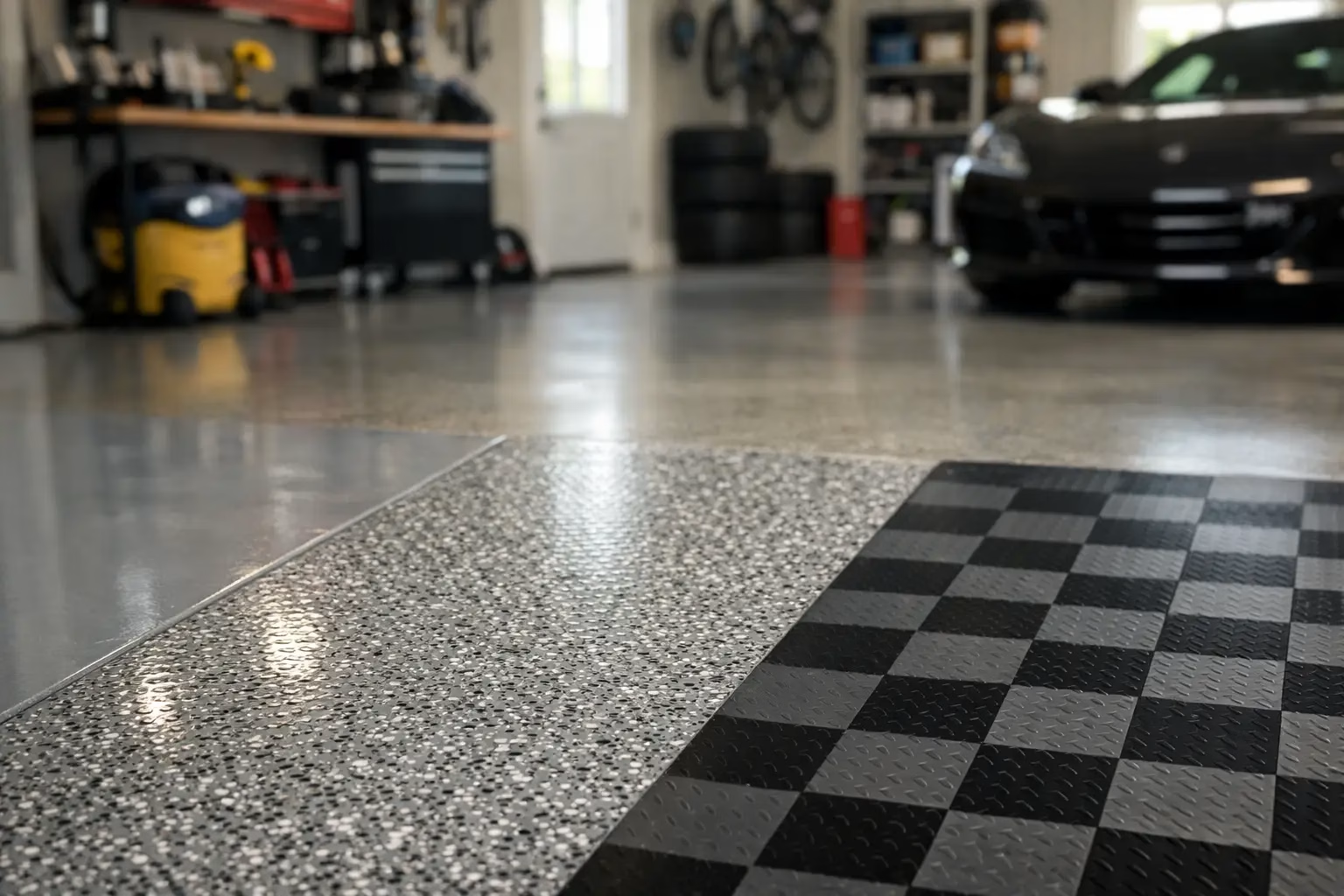
Tiles and mats can cover an unattractive floor quickly without altering the concrete. They are available in many colors and can be practical for renters or temporary setups. Their limitations show up at the seams, where water, dust, and debris can collect. Moisture trapped underneath can also make cleaning more involved than expected.
They do not repair a deteriorating slab or prevent existing cracks from worsening. For homeowners who want a permanent surface that is bonded to and protects the concrete itself, a professional coating is usually the stronger investment.
Conventional epoxy coatings
Epoxy earned its place in garages because it can create a harder, more decorative surface than paint or sealer. It remains a familiar option, particularly in lower-cost kits and older commercial systems. But conventional epoxy has limitations that homeowners should understand before choosing it.
Many epoxy products cure slowly, can yellow or discolor with UV exposure, and are more vulnerable to hot-tire pickup when preparation or product quality falls short. They can also be less forgiving during rapid temperature changes. A coating may look excellent when first installed, then reveal peeling, tire marks, or worn traffic paths after a few seasons.
Epoxy is part of garage flooring history, but the best epoxy for your garage is not epoxy. Advanced polyaspartic and nanospartic systems offer performance advantages that better match how modern garages are used.
Polyaspartic and nanospartic coatings
Polyaspartic coatings are designed for fast cure times, strong adhesion, and excellent resistance to wear, chemicals, and hot tires. Nanospartic technology builds on those benefits, creating a high-performance protective layer that can be installed efficiently while delivering a refined finish.
These systems are especially valuable for homeowners who do not want a garage out of service for days. With proper substrate preparation, a professional polyaspartic or nanospartic floor can often be installed in one day and returned to service quickly. Their UV stability also helps the finish retain its intended color in garages with sun exposure.
For Canadian garage conditions, resistance to moisture and seasonal temperature swings is not an optional feature. It is central to long-term performance. That is where a professionally specified system has a clear advantage over a one-size-fits-all kit.
Why Full-Flake Broadcast Finishes Stand Out
For many homeowners, a full-flake broadcast floor is the best balance of durability, appearance, and everyday practicality. Decorative vinyl flakes are broadcast across the coated surface until the floor is fully covered, then sealed beneath protective clear coats. The result is a textured, stone-like finish that conceals minor dust and everyday debris better than a solid-color floor.
Full-flake systems are not simply decorative. The flakes add visual depth while the coating layers protect the slab from tire traffic, spills, abrasion, and moisture exposure. A properly finished surface is easy to sweep and mop, yet it has more visual character than plain gray concrete.
Color selection should fit the way the garage will be used. A medium blend is often a smart choice for active family garages because it hides dust and small marks well. Lighter blends can make a dark garage feel brighter. Darker patterns can create a dramatic showroom look, but they may show pale dust more readily. The best choice is the one that supports the room’s use, lighting, and the look of the home.
The Finish Is Only as Good as the Concrete Below It
No topcoat can compensate for poor preparation. If the slab has oil contamination, loose concrete, moisture-related damage, or failed old paint, those conditions must be addressed before the new finish goes down.
At Garage Floors 4 Less, our process begins with concrete repair and mechanical preparation, not a quick coat over existing problems. Cracks, pitting, spalling, and weak areas are repaired so the finished floor has a stable foundation. Then our FloorX2 Fusion+Nano® system combines advanced coating technology with a multi-layer application designed for demanding garage environments.
This approach is different from buying materials off a shelf and hoping the floor is ready. Concrete varies widely from one home to another. Its age, condition, moisture level, previous treatments, and exposure history all affect what a successful installation requires.
How to Choose the Right Finish for Your Garage
Start with your daily demands. If your garage is mainly storage, appearance and easy cleanup may lead the decision. If it holds vehicles year-round, prioritize hot-tire resistance, moisture protection, and durability. If it doubles as a workshop, consider a full-flake surface that handles traffic while maintaining a clean, professional look.
Next, look honestly at the slab. Hairline cracks may be repairable, while spalling and pitting need more extensive attention. An installer should inspect the concrete rather than quote a generic coating over the phone without asking about its condition.
Finally, compare the whole value of the system, not just the initial price. A low-cost coating that peels, yellows, or needs replacement can cost more than a professional floor over time. Our FloorX2 Fusion+Nano® system is backed by our 15-year all-inclusive transferable guarantee, giving homeowners protection that goes beyond the day of installation.
A garage floor should support the way you live, whether that means parking confidently through winter, maintaining your vehicle, building a workshop, or creating a cleaner space around organized storage. Try our Floor Visualizer to see what a new finish could look like in your garage, or request a free estimate and let us assess the concrete beneath it.