A polyaspartic garage floor is not simply a cosmetic upgrade for stained concrete. When professionally installed, it turns a dusty, difficult-to-clean slab into a durable surface built for vehicle traffic, road salt, dropped tools, moisture, and daily use. For homeowners who are tired of peeling DIY coatings or bare concrete that never looks clean, the difference is visible the moment the floor is finished – and practical for years afterward.
At Garage Floors 4 Less, we install high-performance FloorX2 Fusion+Nano® systems because the best epoxy for your garage is not epoxy. Epoxy helped introduce coated garage floors, but modern polyaspartic and nanospartic technology addresses many of the issues that make conventional epoxy a frustrating long-term choice.
What Makes a Polyaspartic Garage Floor Different?
Polyaspartic is a fast-curing protective coating designed to bond to properly prepared concrete. It is often used as part of a multi-layer garage flooring system, rather than as a single coat applied over a slab. Our FloorX2 Fusion+Nano® process combines advanced coating technology with a full-flake broadcast finish, creating a floor that is attractive, easy to maintain, and made for demanding garage conditions.
The real advantage is not just the material in the pail. Floor performance depends on the entire system: concrete repair, mechanical surface preparation, base coat adhesion, decorative flake coverage, and protective topcoats. Skip any of those steps, and even a premium coating can fail prematurely.
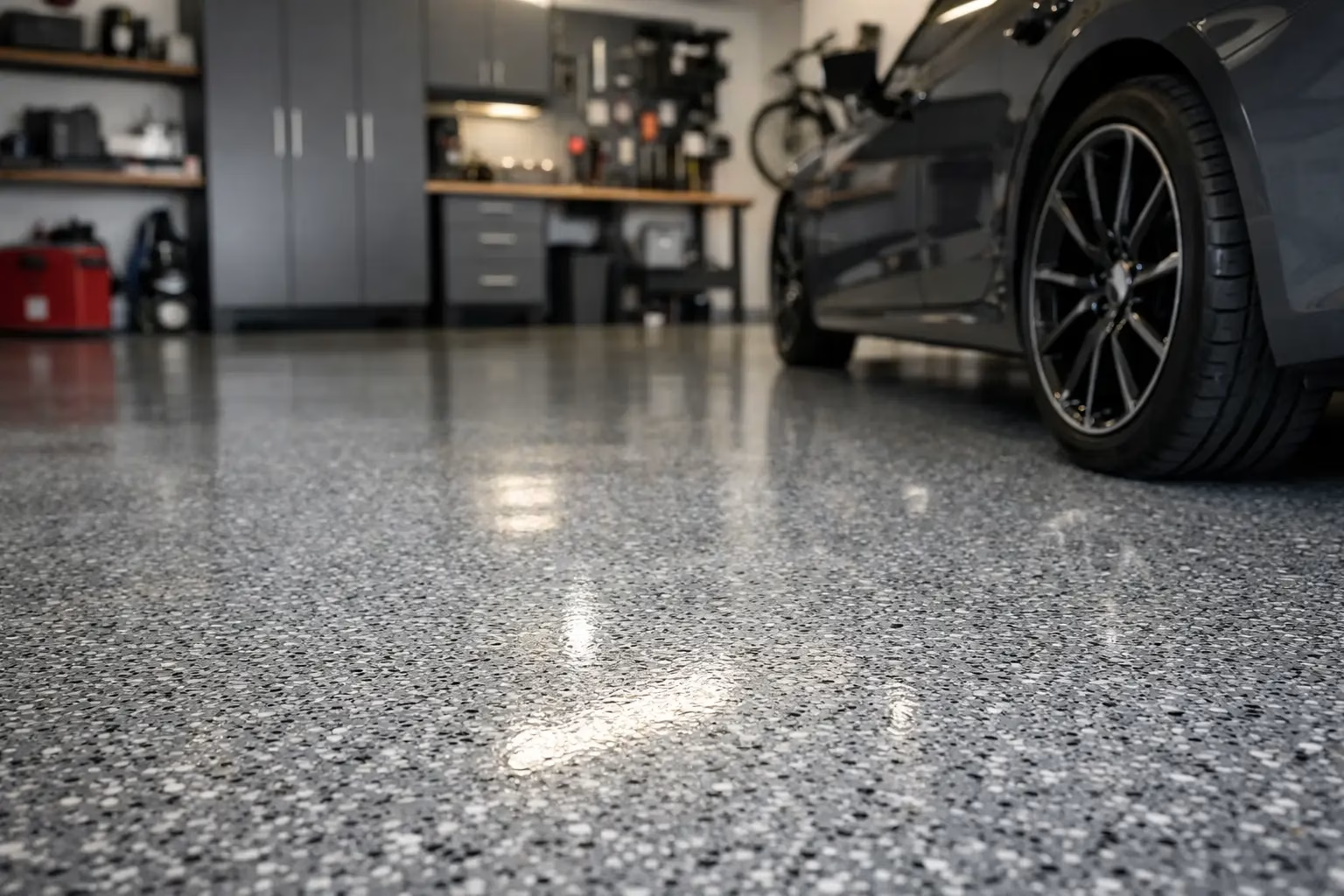
A professionally finished floor also hides the uneven, blotchy appearance of old concrete. Full-flake finishes create a consistent, textured look that works equally well in a garage used for parking, a workshop, or a storage-focused space with cabinets and slatwall.
Why Conventional Epoxy Falls Short in Garages
Epoxy has a long history in concrete coatings, and it can still have a place in certain controlled commercial applications. A residential garage, however, is rarely controlled. It experiences tire heat, wet boots, de-icing salt, humidity, temperature swings, sunlight at the door, and occasional impacts from tools or equipment.
Traditional epoxy coatings cure more slowly and can be sensitive to installation conditions. They may amber or discolor with UV exposure, particularly near an open garage door. They are also more vulnerable to hot-tire pickup, where heat and plasticizers from tires pull at a poorly bonded or lower-quality coating.
A polyaspartic or nanospartic system cures quickly, offers stronger UV stability, and is designed for better performance under the changing conditions Canadian garages face. That matters in areas with freeze-thaw cycles, where moisture movement and concrete stress can expose weaknesses in a coating system.
Fast cure time is another practical benefit. Instead of turning a garage into an extended construction zone, a professional system can often be installed in one day and returned to service quickly. The exact timeline depends on the slab condition, required repairs, weather, and system selected, but it is a major improvement over coatings that can keep a garage out of commission for several days.
Preparation Determines Whether the Floor Lasts
The most expensive coating cannot compensate for poor surface preparation. Concrete is not a smooth, inert surface. It can contain laitance, old paint, oil contamination, moisture, weak areas, spalling, and cracks. A coating applied over those problems may look good briefly, then peel, blister, or separate from the slab.
We begin by evaluating the concrete itself. Cracks, pitting, spalling, and damaged areas need to be repaired before coating. Then the surface is mechanically prepared to create the correct profile for adhesion. This step removes weak surface material and opens the concrete so the coating system can bond properly.
That is why DIY kits and low-price coating offers often disappoint. They commonly rely on acid etching, minimal cleaning, thin coating application, or partial flake coverage. The initial price may look attractive, but the result can leave homeowners paying again when the floor starts to peel or wear unevenly.
Moisture is another reason professional assessment matters. A damp-looking slab is not the only concern. Vapour moving through concrete can interfere with adhesion if the wrong system is used or if the substrate is not properly evaluated. The right solution depends on the condition of your floor, not a one-size-fits-all kit.
What a Full-Flake Floor Adds to Performance
A full-flake broadcast finish is more than a design choice. Decorative vinyl flakes are broadcast across the entire base coat until the surface is fully covered. Once the floor is scraped, vacuumed, and topcoated, the finish creates visual depth while helping disguise dust, minor marks, and everyday garage debris.
It also gives the floor a more practical texture than a plain glossy coating. The final traction level can be tailored to the space, balancing easier cleaning with the grip needed for a garage entry, workshop, basement, or commercial area. No floor is completely slip-proof, especially when wet, but a properly selected finish is far more usable than an untreated, dusty slab.
Colour selection should match how the room is used. Neutral blends are excellent for high-traffic garages because they conceal road grit and tire marks well. Lighter finishes can brighten a darker garage or basement. Bolder blends can make a showroom, hobby space, or vehicle-focused garage feel intentional rather than unfinished.
Is Polyaspartic Right for Every Concrete Floor?
Polyaspartic flooring is an excellent option for many garages, but it is not a shortcut around major concrete problems. If a slab has active structural movement, severe moisture concerns, substantial deterioration, or contamination, those issues must be addressed first. A quality installer should explain what can be repaired, what requires additional work, and what results are realistic.
The intended use also matters. A garage that holds two daily-driven vehicles has different demands than a warehouse, automotive shop, or commercial showroom. Heavy point loads, frequent forklift traffic, chemical exposure, and specialized safety requirements can influence the coating build and finish. That is why a consultation-led approach delivers better value than choosing a floor solely by colour or advertised square-foot price.
For most homeowners, the strongest value comes from installing a complete system once rather than repeatedly patching bare concrete or replacing failed coatings. Our FloorX2 Fusion+Nano® system is backed by our 15-year all-inclusive transferable guarantee, giving you confidence that the floor is designed for long-term protection, not a temporary visual refresh.
How to Keep the Floor Looking Its Best
A finished garage floor does not need complicated maintenance. Sweep grit and road salt regularly, especially through winter. For routine cleaning, use a soft broom, mop, or auto scrubber with a mild cleaner suitable for coated floors. Avoid harsh abrasive pads and do not allow concentrated chemical spills to sit longer than necessary.
The benefit is that cleanup becomes manageable. Oil drips, muddy tire tracks, and workshop dust sit on a sealed finished surface instead of soaking into porous concrete. Your garage becomes easier to use as an extension of the home, whether it is built around vehicle care, storage, fitness equipment, or a clean workspace.
A great garage starts from the ground up. Try our Floor Visualizer to see how a new finish could change your space, or request a free estimate and let us assess the concrete beneath your feet.