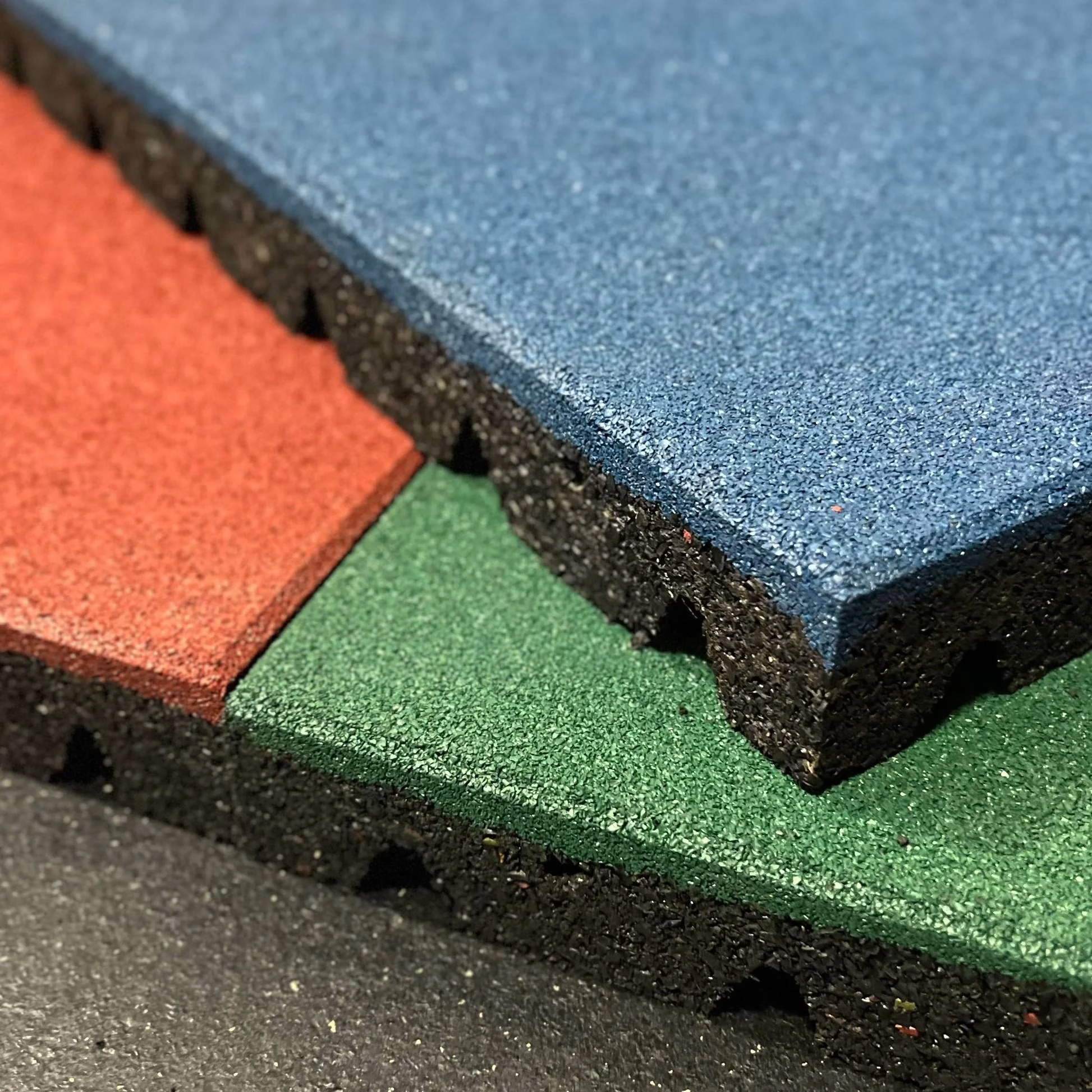
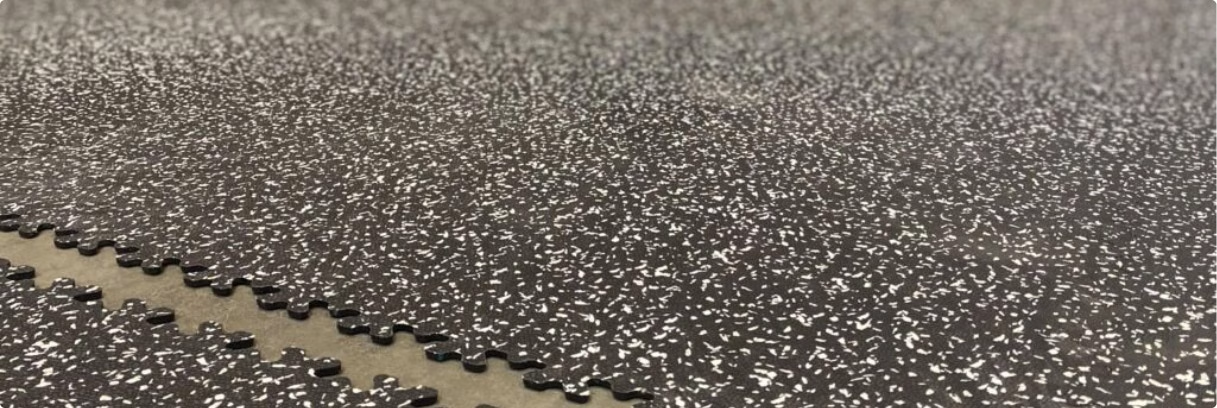
In recent years, some contractors have begun promoting recycled rubber pellet flooring systems for garages. These products are similar to the surfaces commonly used on playgrounds, patios, and pool decks, where rubber granules are mixed with resin and spread over existing concrete.
At first glance, they can make an old garage floor look dramatically better. But homeowners should understand an important reality:
These systems are designed primarily as decorative overlays, not as concrete repair or protection systems. Two issues in particular deserve careful attention.
1 / Covering Concrete Problems Instead of Fixing Them
Garage slabs crack for real reasons:
- soil movement
- freeze–thaw cycles
- moisture pressure beneath the slab
- improper concrete finishing
- long-term structural stress
A rubber overlay does not repair any of these issues. Instead, it simply covers the surface of the concrete. Because rubber surfaces are flexible, they can temporarily stretch over cracks or imperfections. However, the slab underneath continues to move, expand, contract, and deteriorate exactly as it did before.
Over time, this can lead to:
- cracks telegraphing through the rubber surface
- uneven or sunken areas
- separation between the rubber layer and the slab
2 / Porous Surfaces Can Trap Moisture Against the Concrete
Most rubber-granule flooring systems are permeable by design. Instead of sealing the surface, water is allowed to pass through the rubber layer and reach the concrete below. That creates a second long-term concern.
Garages routinely bring in moisture from:
- rainwater
- snow melt
- road salt
- vehicle condensation
- natural moisture vapour rising through the slab
When water passes through a porous rubber surface, it can remain trapped between the rubber layer and the concrete.
Over time, this environment can contribute to:
- persistent moisture in the slab
- mould or mildew growth in damp conditions
- freeze-thaw damage in colder climates
- continued deterioration of the concrete underneath
Because the rubber surface hides the slab, these issues can develop out of sight for years before they become obvious.
3 / There Are Better Long-Term Alternatives for Garage Floors
Fortunately, homeowners have options that are designed specifically to work with concrete rather than simply cover it.
Professional garage flooring systems, such as:
- Epoxy
- Polyurea
- Polyaspartic
- FloorX2, an industrial moisture-mitigation system which is engineered to bond deep into the concrete substrate, creating a long-term protective barrier.
These types of systems are designed to:
- seal and protect the slab
- resist moisture intrusion
- withstand vehicle traffic and hot-tire pickup
- prevent contaminants from penetrating the concrete
Advanced systems, such as multi-layer engineered coatings like the FloorX2 system, go even further by incorporating moisture mitigation layers and industrial-grade resins designed to stabilize and protect the slab long-term.
The Bottom Line
Rubber playground-style flooring can make a garage floor look better quickly, but homeowners should understand what it does and what it does not do.
It does not:
- repair failing concrete
- stop moisture movement through the slab
- provide structural protection for the surface
In fact, by covering the slab and allowing moisture to pass through, it may allow the underlying concrete to continue deteriorating unseen.
When choosing a garage flooring solution, the most important question isn’t just how it looks on day one, but how well it protects the concrete for years to come.